
How to Turn a Product Idea into a Working Prototype
How to Turn a Product Idea into a Working Prototype
Turning a product idea into a working prototype can feel like a big leap.
You may have a sketch, a rough model, a list of features, or simply a problem you want to solve. But getting from idea to something real requires more than just 3D printing a shape.
A good prototype should answer the right questions.
Does it work?
Does it feel right?
Can people understand it?
Can it be manufactured?
Is the idea worth developing further?
Here’s how to approach it properly.
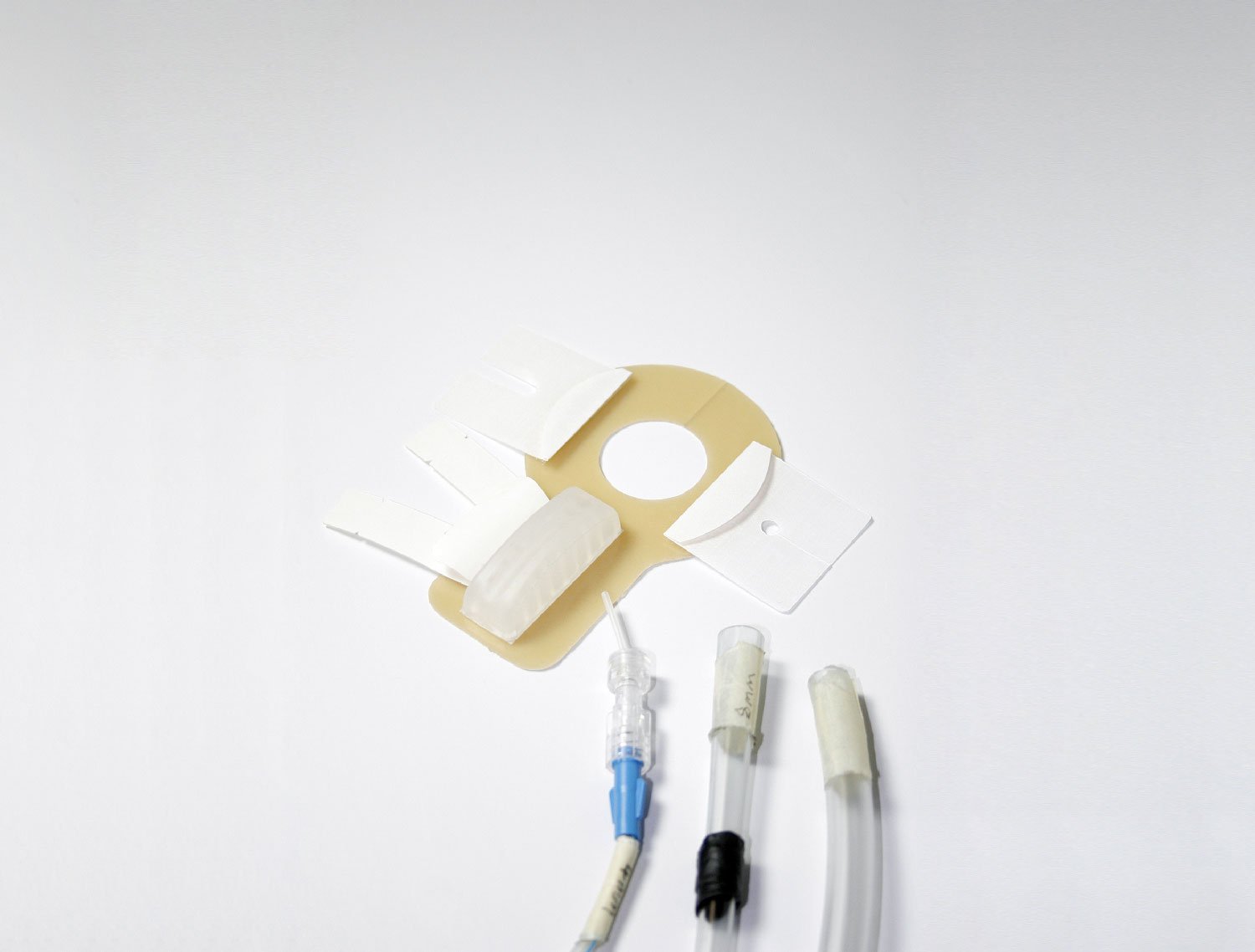
1. Start with the Problem, Not the Product
Before designing the prototype, define the problem clearly.
Ask:
Who is the product for?
What problem does it solve?
Where and how will it be used?
What does it need to do better than existing products?
What would make someone buy it?
Many early product ideas focus too quickly on features. But the strongest prototypes are built around a clear user need.
If the problem is vague, the prototype will be vague too

2. Write a Simple Product Brief
A product brief helps turn the idea into something a designer, engineer, or manufacturer can understand.
Your brief should include:
Product purpose
Target users
Key features
Approximate size
Materials or finish preferences
Technical requirements
Target price point
Competitor examples
Any sketches or reference images
The brief does not need to be perfect. It just needs to be clear enough to start structured product development.
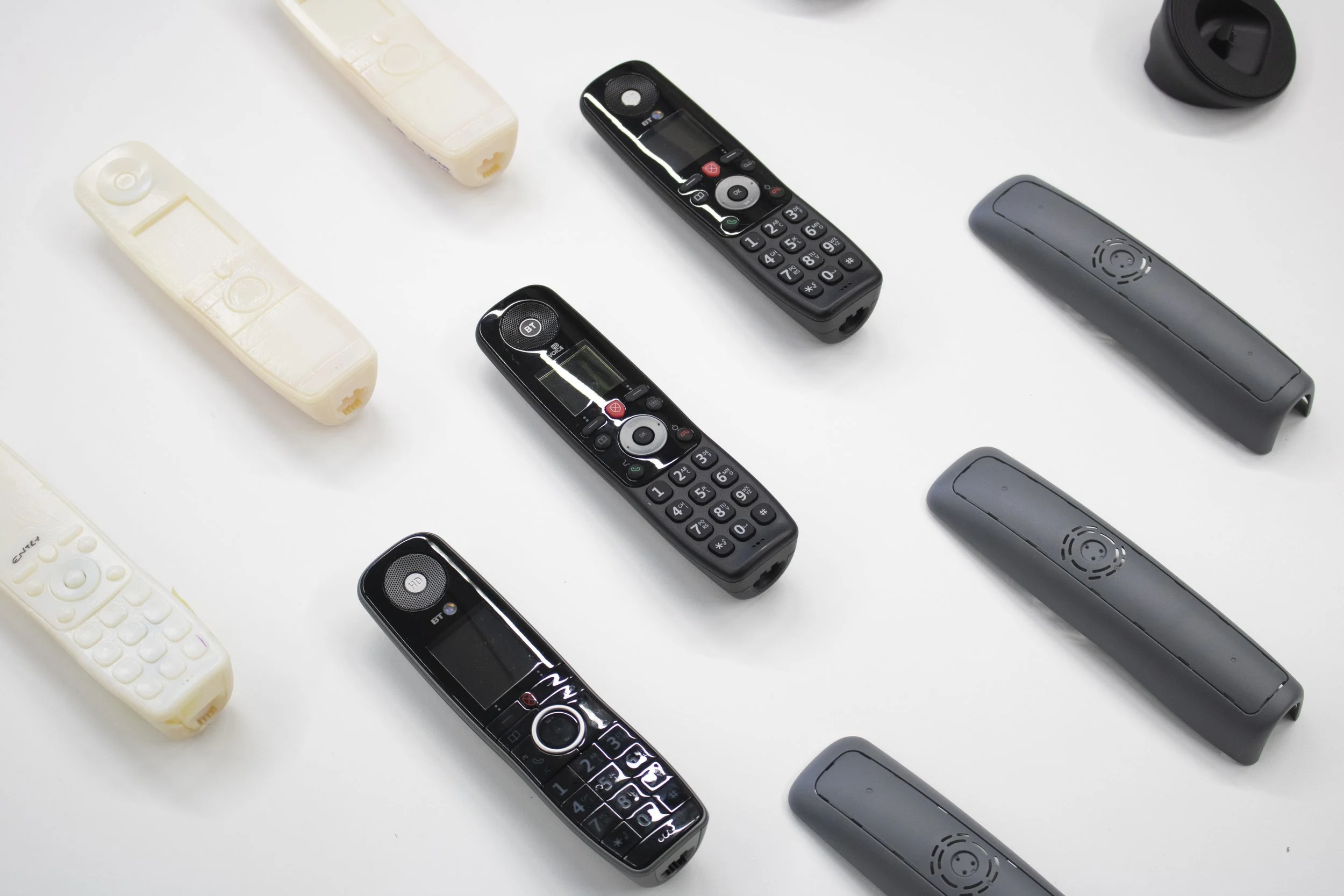
3. Explore a Few Concept Directions
Before building a physical prototype, explore different ways the product could work.
This may include:
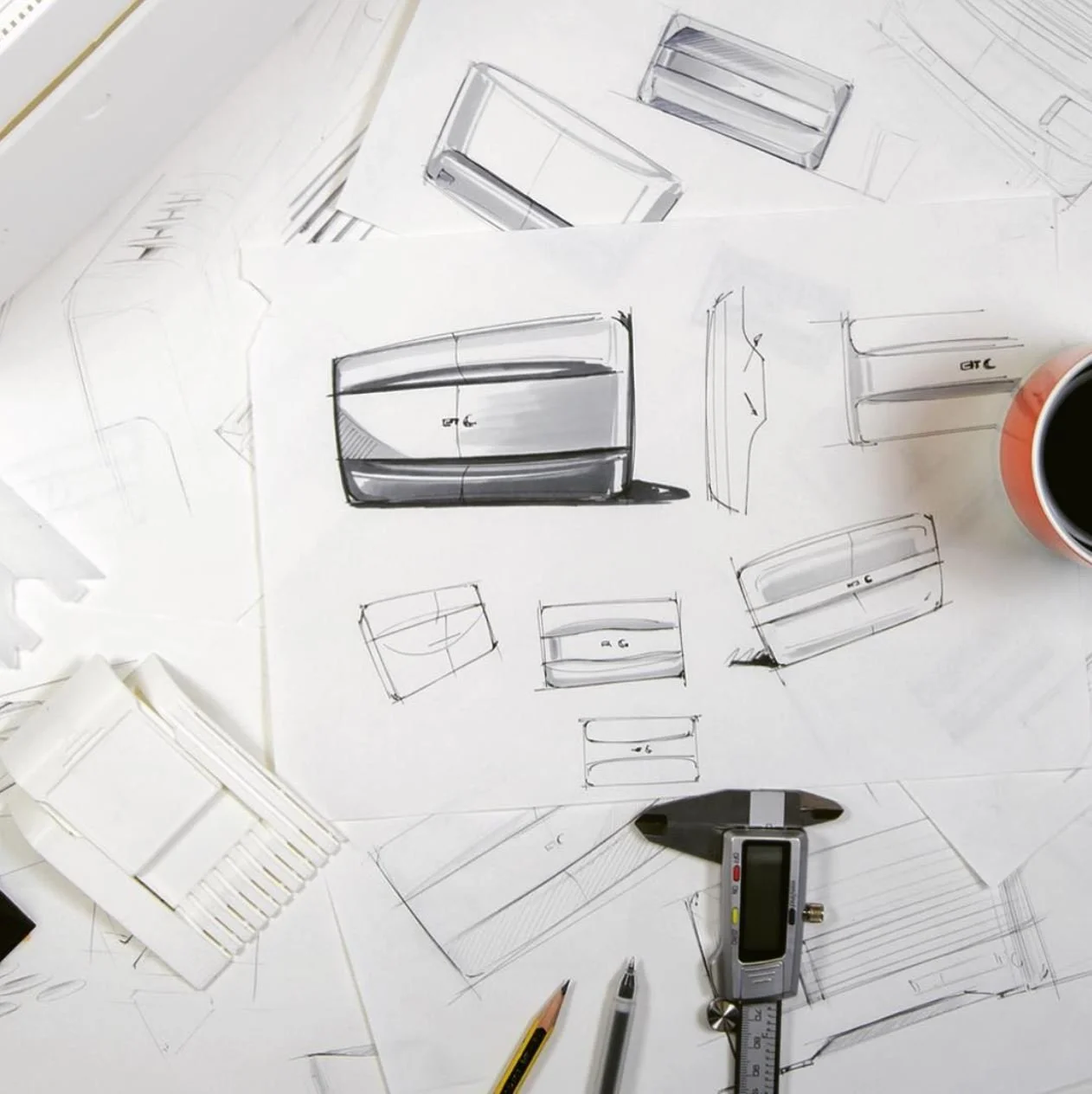
Sketches
Form studies
User journey maps
Basic CAD models
Material options
Mechanical layout ideas
UI or app wireframes, if relevant
This stage prevents you from rushing into the wrong prototype.
A prototype is only useful if it tests a strong concept.
4. Check Technical Feasibility Early
Some product ideas are simple. Others need electronics, mechanisms, batteries, sensors, connectivity, waterproofing, heat management, or safety considerations.
Before investing heavily in prototyping, check the technical risks.
For example:
Can the product fit the required components?
Can it be powered safely?
Can it withstand real use?
Can it be assembled efficiently?
Can it meet the target cost?
Are there off-the-shelf parts available?
This is where a product design agency can help reduce risk before money is spent on detailed development.
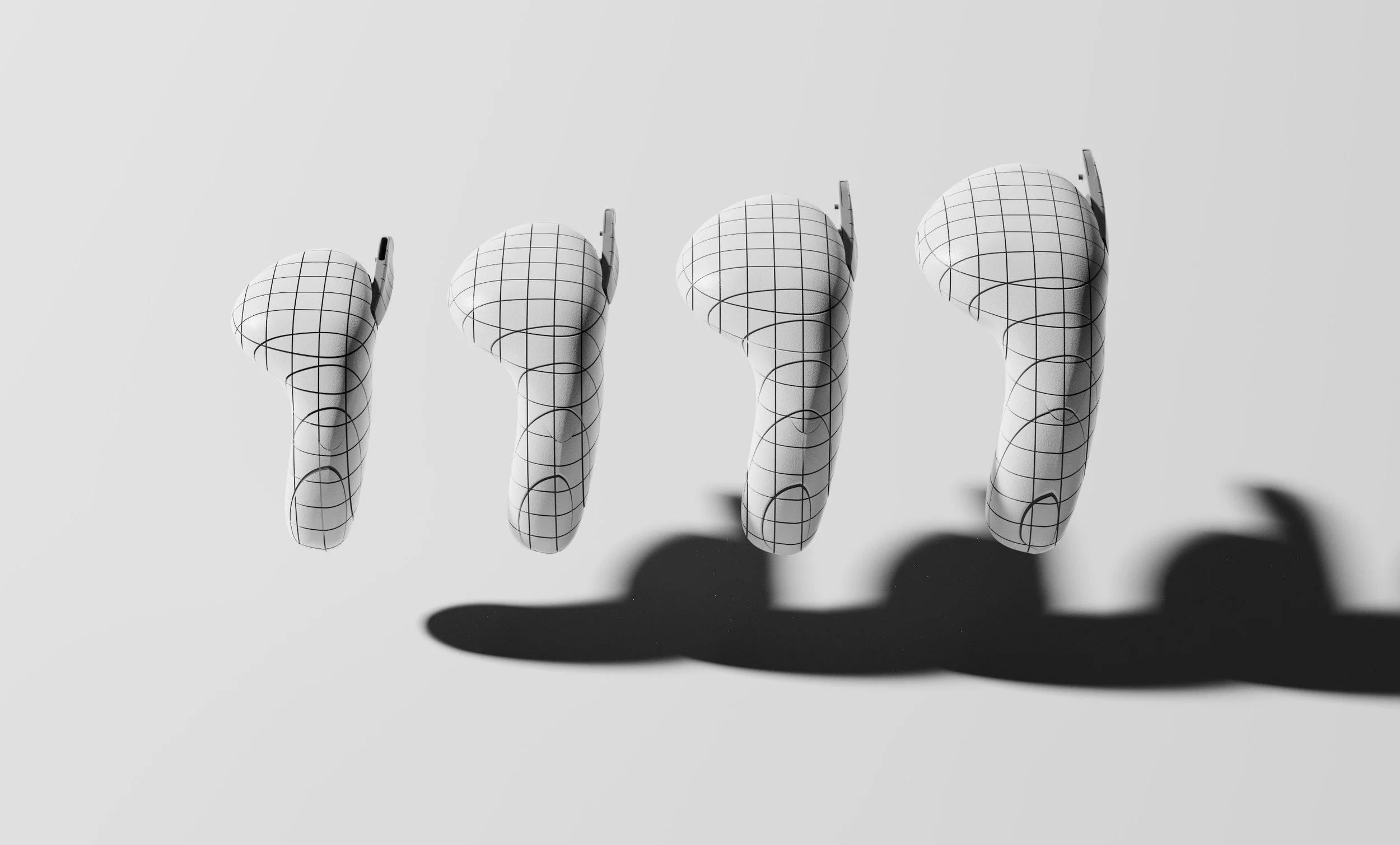
5. Choose the Right Type of Prototype
Not all prototypes are the same.
You may need:
A looks-like prototype to show the appearance
A works-like prototype to test function
An ergonomic prototype to test handling
A proof-of-principle prototype to prove a mechanism
A digital prototype to test an app or screen interface
A pre-production prototype to prepare for manufacture
Trying to make one prototype do everything too early can be expensive.
It is often better to create several focused prototypes that each answer a specific question.
6. Test the Prototype Properly
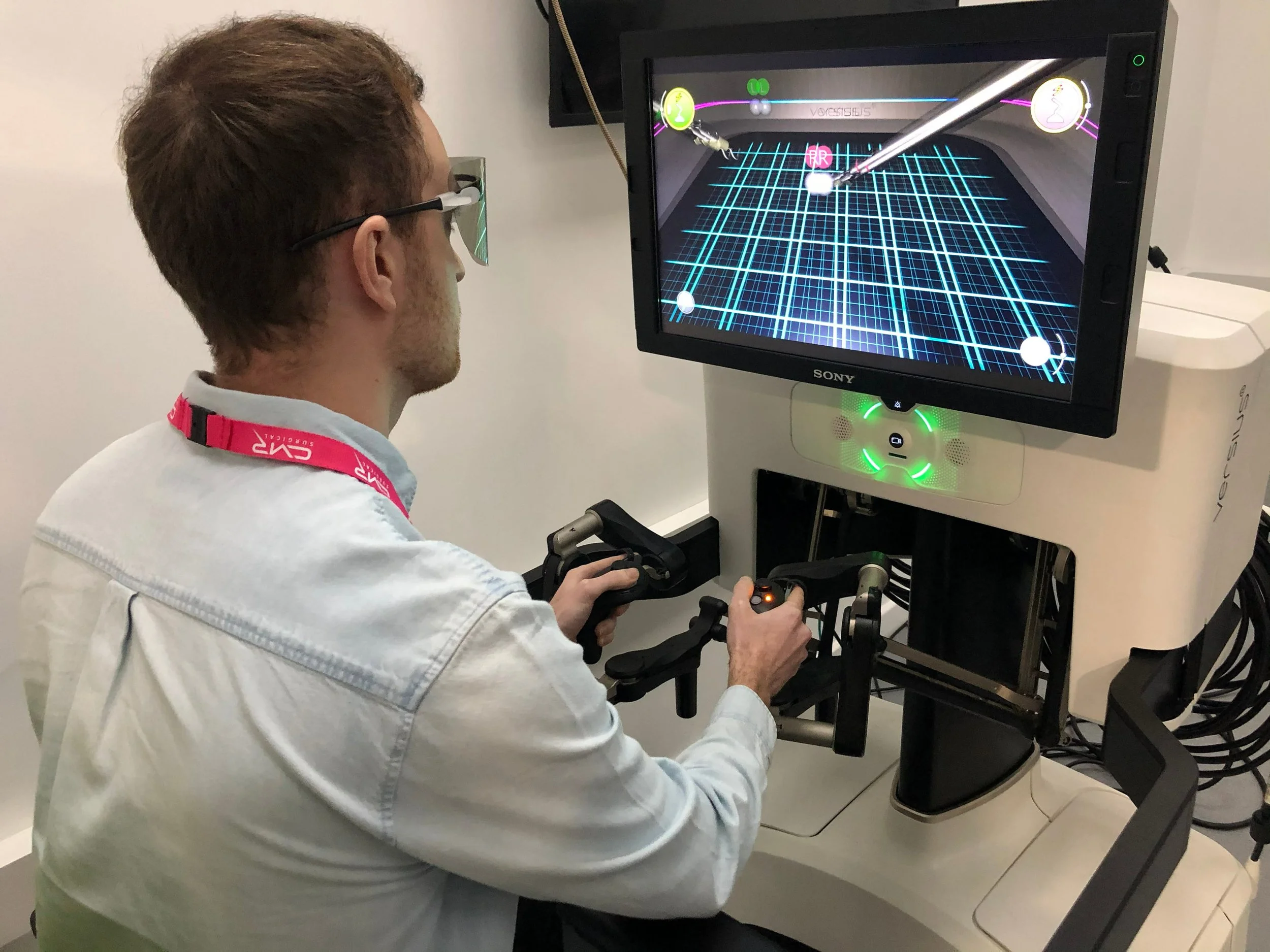
A prototype is not the finish line. It is a learning tool.
Use it to test:
Usability
Comfort
Performance
Strength
Assembly
User understanding
Technical reliability
Market appeal
Testing does not always need to be formal. Even simple feedback from target users can reveal important issues.
The key is to test before committing to tooling or manufacture.
7. Refine the Design Before Manufacturing
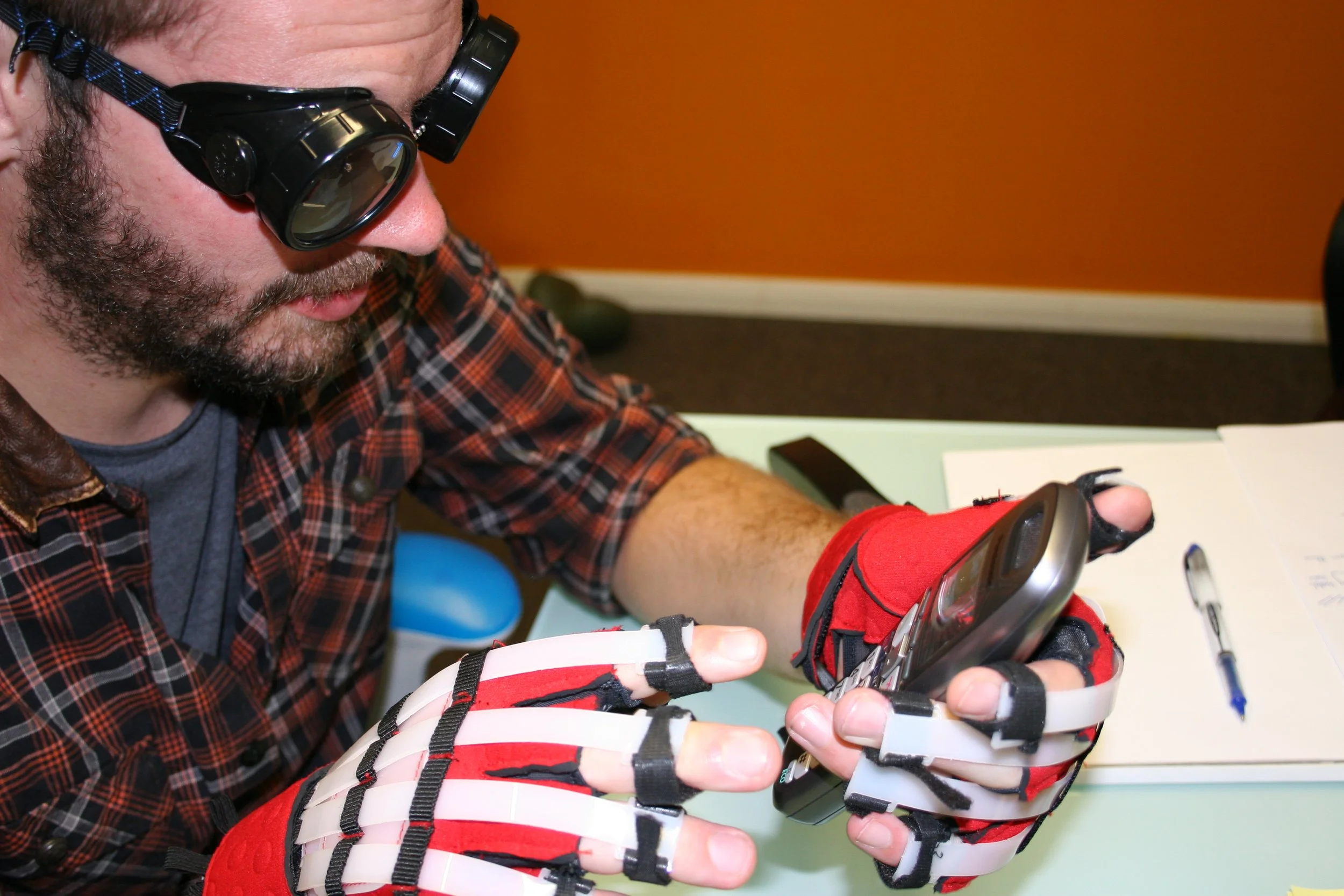
After testing, the design should be improved.
This may involve:
Adjusting the shape
Improving the mechanism
Changing materials
Reworking internal components
Simplifying assembly
Reducing part count
Improving the user experience
Preparing CAD for manufacture
This is where design for manufacture becomes important.
A prototype may prove the idea, but it still needs to become a product that can be made reliably and cost-effectively.

Turning a product idea into a working prototype is not just about making something physical.
It is about reducing uncertainty.
A good prototype helps you understand what works, what does not, what users value, and what needs to change before manufacture.
If you have a product idea and need help turning it into a prototype, Alloy can help you move from early concept to physical product development, combining industrial design, prototyping, UI/UX, and manufacturing support.
FAQs – Prototyping
How do I turn my product idea into a prototype?
Start by defining the problem, target user, key features, and intended use. Then create concept designs, check technical feasibility, and build the right type of prototype to test the most important assumptions.
Do I need drawings before making a prototype?
You do not need professional drawings at the start. Sketches, notes, reference images, or a written description can be enough for an initial conversation. Professional CAD and technical drawings usually come later.
What type of prototype should I make first?
The first prototype depends on what you need to prove. If the risk is appearance, make a looks-like prototype. If the risk is function, make a works-like prototype. If the risk is usability, make an ergonomic or user-test prototype.
Can a product design agency help with prototyping?
Yes. A product design agency can help define the product, create concepts, develop CAD, build prototypes, test usability, and prepare the design for manufacture.
Should I prototype before speaking to a manufacturer?
Usually, yes. Manufacturers need clear product information before they can quote accurately. A well-developed prototype and CAD package make supplier conversations much more productive.