
New Product Development Process: From Concept to Manufacturing
New Product Development Process: From Concept to Manufacturing
The new product development process is the structured journey from an initial idea to a product that can be manufactured and launched.
For physical products, this process usually includes strategy, concept design, prototyping, testing, engineering, design for manufacture, supplier sourcing, and production preparation.
A strong process helps reduce risk. It prevents businesses from jumping too quickly into prototyping or manufacturing before the product has been properly designed, tested, and validated.

What is new product development?
New product development is the process of creating a new product and preparing it for market.
It can apply to:
Consumer electronics
Connected devices
Smart home products
Hardware products
Medical-style wellness devices
Parent and baby products
Professional equipment
Lifestyle products
Products with companion apps or digital interfaces
The process is not just about making something look good. It is about creating a product that users understand, want, trust, and can use easily.
It also needs to be technically feasible, commercially realistic, and manufacturable.
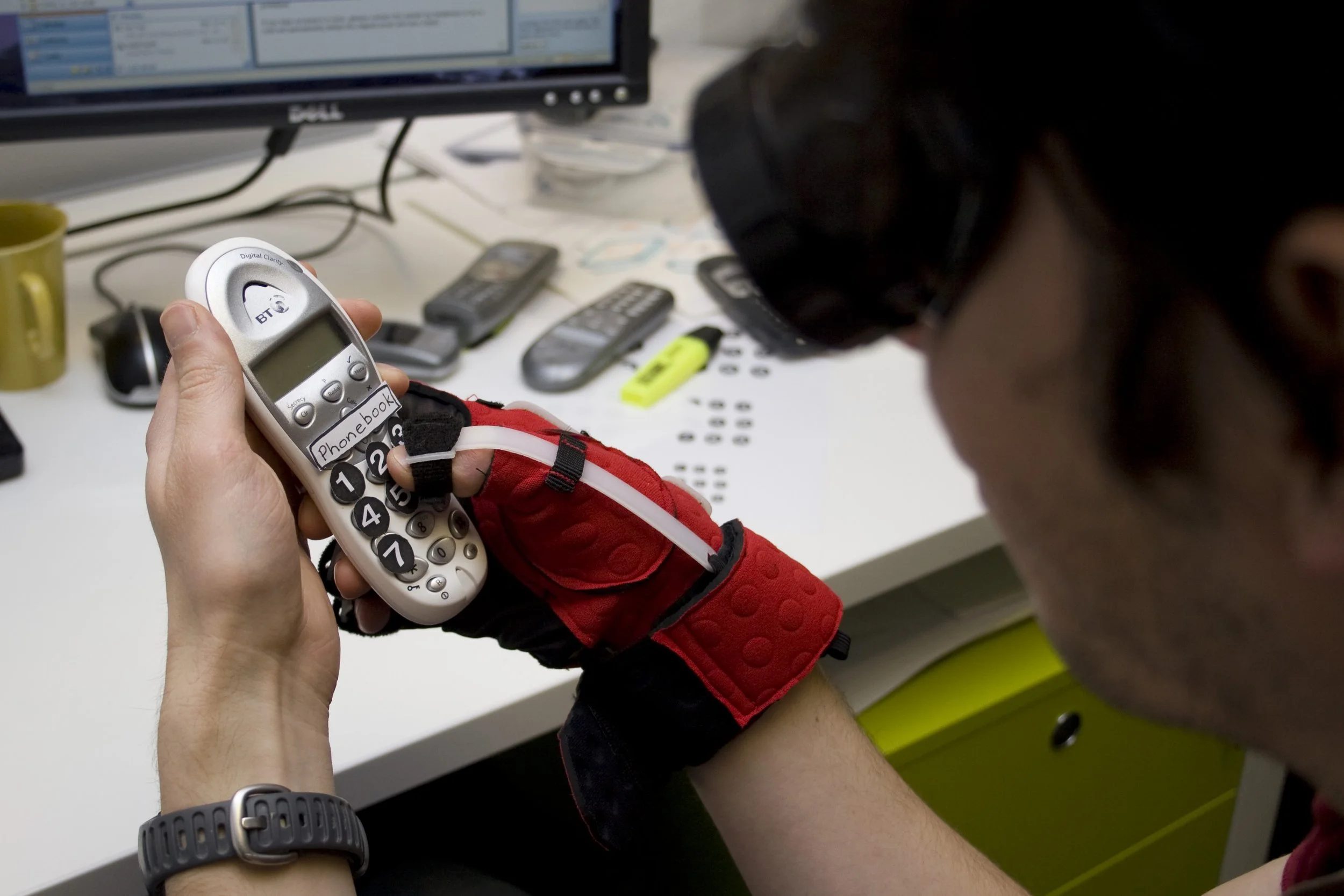
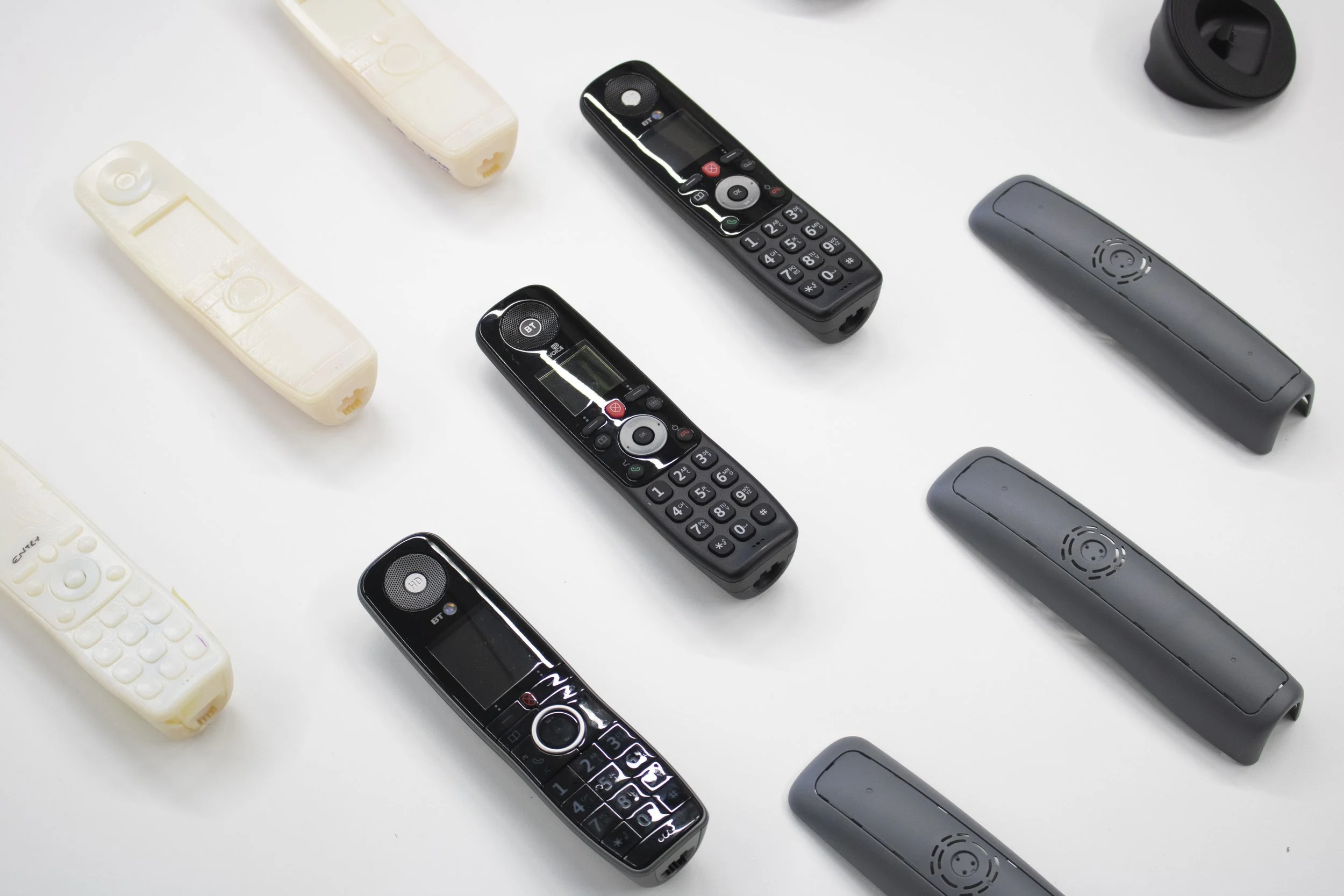
Stage 1: Discovery and product definitio
The first stage is discovery.
This is where the product opportunity is defined before design work begins.
Discovery may include:
Understanding the target user
Reviewing competitor products
Defining user needs
Clarifying product features
Setting commercial goals
Identifying technical risks
Understanding likely manufacturing routes
Defining success criteria
This stage helps answer a simple but important question:
What exactly are we trying to create, and why will it matter to users?
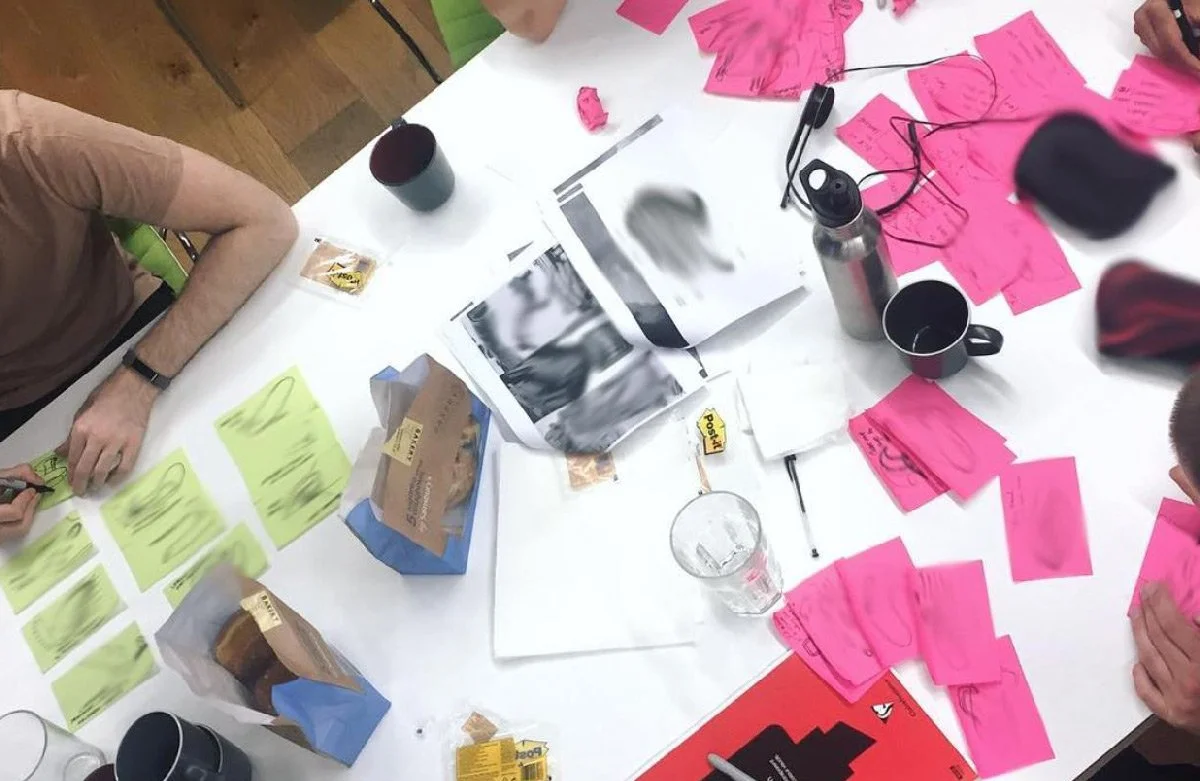
Stage 2: Concept design
Concept design explores different ways the product could look, feel, work, and be used.
This stage may include:
Sketch concepts
Product form exploration
Use case scenarios
Ergonomic thinking
CMF direction
Internal architecture planning
Early UI/UX thinking
Visual design language
The aim is to create options before committing to one direction.
For physical products, the best concept is not just the most attractive one. It is the concept that balances user experience, brand, technical feasibility, cost, and manufacture.
Stage 3: Design development
Once a direction is selected, the design is developed in more detail.
This usually includes:
3D CAD development
Product proportions
Part structure
Internal component layout
Material assumptions
Button, screen, or interface placement
Assembly thinking
Initial design for manufacture input
For connected devices, this may also include:
App user flows
Embedded UI design
Onboarding journeys
Status feedback
Alerts and notifications
Hardware and software interaction mapping
This is where the product becomes much more real.
Stage 4: Prototyping
Prototypes help test and communicate the product.
Different prototype types can be used at different stages.
These may include:
Rough form models
Ergonomic mock-ups
Proof-of-concept rigs
Functional prototypes
Appearance models
User testing prototypes
Engineering prototypes
Prototypes are valuable because they reveal problems that are hard to see in sketches or CAD.
They help teams test assumptions before making expensive decisions.
Stage 5: Testing and validation
Testing helps improve the product before it moves toward manufacture.
This may include:
User testing
Usability reviews
Ergonomic testing
Technical testing
Mechanical testing
Electronics testing
Installation testing
App or interface testing
Stakeholder feedback
Supplier feedback
The purpose of testing is not only to confirm what works. It is also to find what does not work early enough to fix it.
Stage 6: Design for manufacture
Design for manufacture, or DFM, is the process of refining the product so it can be made reliably and efficiently at scale.
This can include:
Material selection
Part split strategy
Tooling logic
Assembly method
Component sourcing
Cost optimisation
Tolerance planning
Surface finish specification
Quality control considerations
DFM should not be left until the end. The earlier manufacturing constraints are considered, the easier it is to avoid costly redesign later.
Stage 7: Manufacturing handover
Once the design is mature, the project moves toward manufacturing handover.
This may include:
Final CAD data
2D drawings
CMF specifications
BOM information
Assembly guidance
Prototype learnings
Supplier feedback
Tooling recommendations
Production assumptions
A good handover gives manufacturers the information they need to quote, tool, sample, and produce the product.
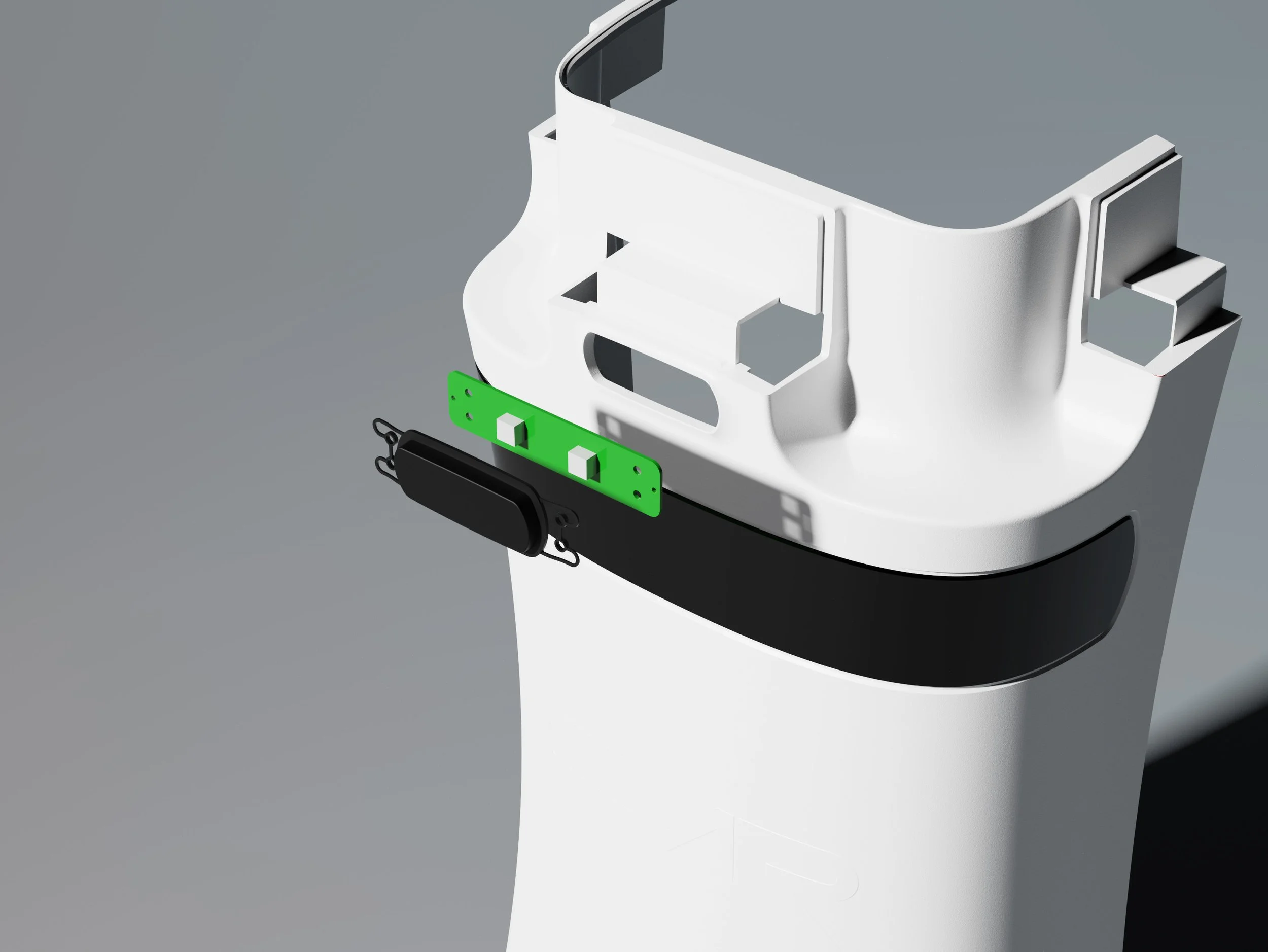
How Alloy can help
Alloy supports businesses through the full new product development process, from early concept through to prototyping and manufacturing readiness.
Our team combines industrial design, UI/UX, prototyping, and design for manufacture. This is particularly valuable for connected products where the physical product, digital interface, and user experience need to work together.
FAQs
What are the stages of new product development?
The main stages are discovery, concept design, design development, prototyping, testing, design for manufacture, and manufacturing handover. The exact process depends on the complexity of the product.
How long does new product development take?
Timelines vary depending on complexity. A simple product may take a few months to design and prototype. A more complex connected product can take many months or longer, especially if it includes electronics, software, testing, tooling, and manufacturing setup.
What is the difference between product design and new product development?
Product design focuses on the design of the product itself, including form, function, usability, and appearance. New product development is broader and includes strategy, prototyping, testing, engineering, manufacturing, and launch preparation.
When should design for manufacture begin?
Design for manufacture should begin early in the process. Waiting until the end can lead to expensive redesign, tooling issues, assembly problems, or unrealistic production costs.
Do connected products need a different development process?
Yes. Connected products often need industrial design, electronics, firmware, app UX, cloud systems, onboarding, alerts, and support journeys to be considered together. Separating hardware and software too early can create a poor user experience.
Can Alloy manage the full new product development process?
Alloy can support the key front-end stages of new product development, including strategy, industrial design, UI/UX, prototyping, DFM, and manufacturing handover. We can also collaborate with engineers, suppliers, and manufacturing partners.