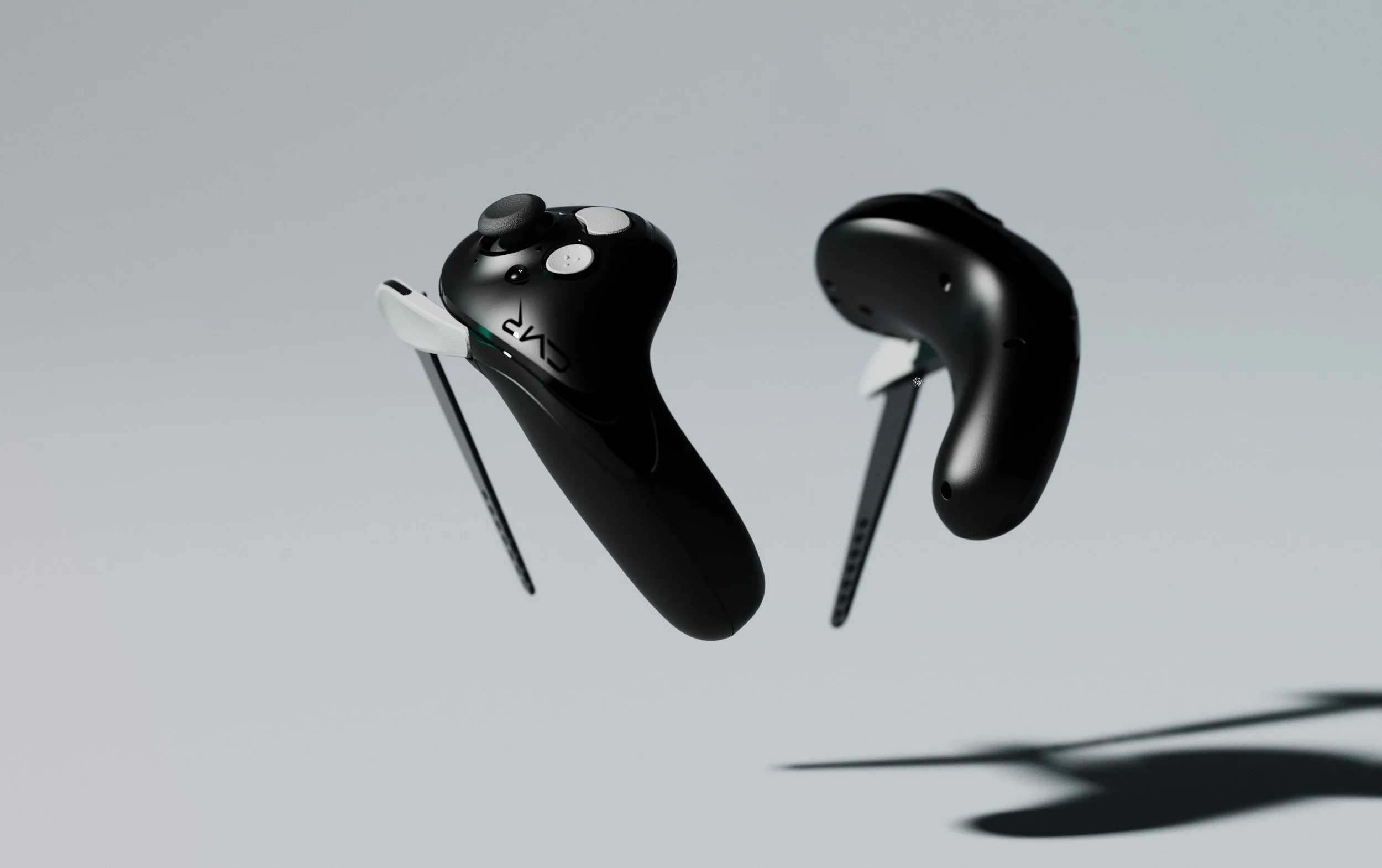
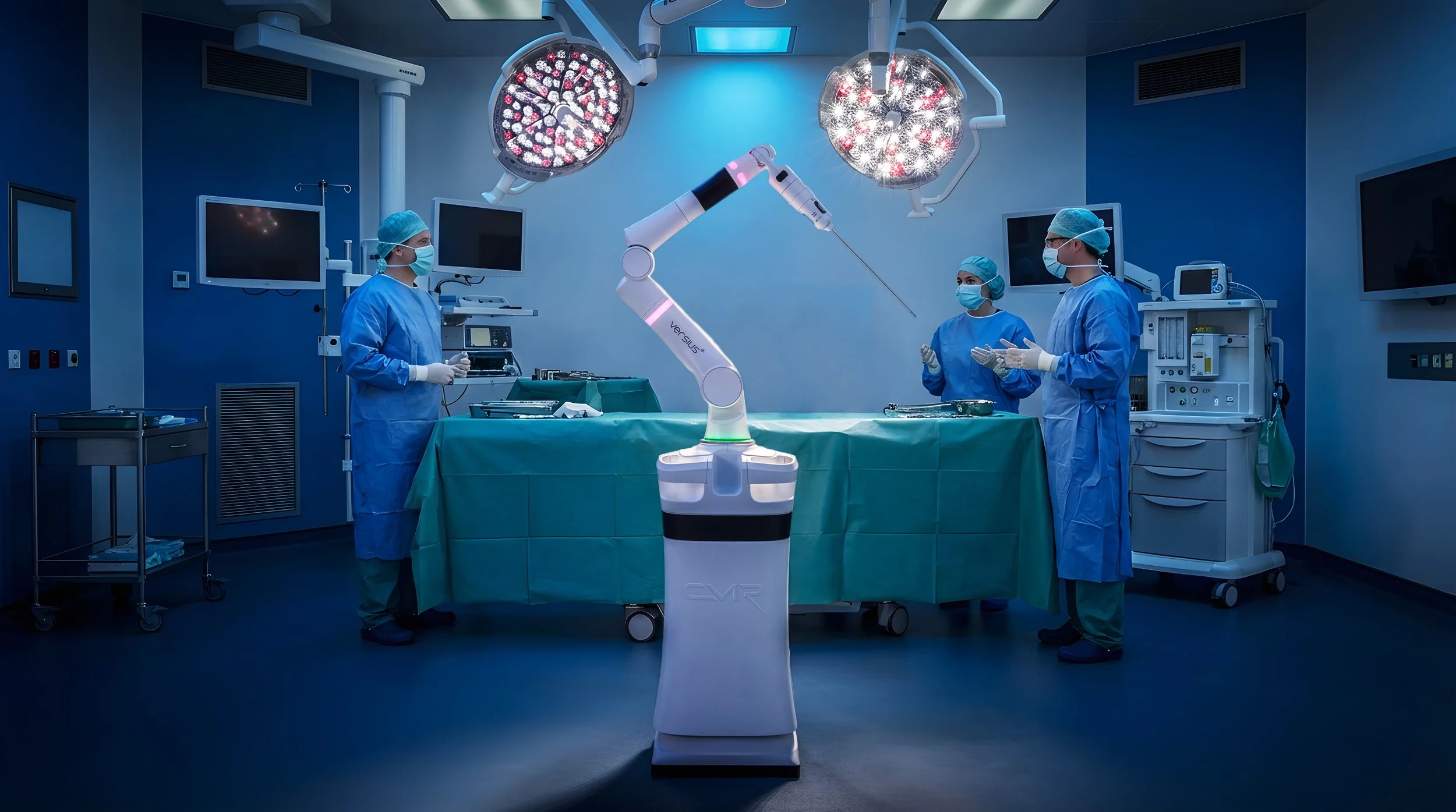
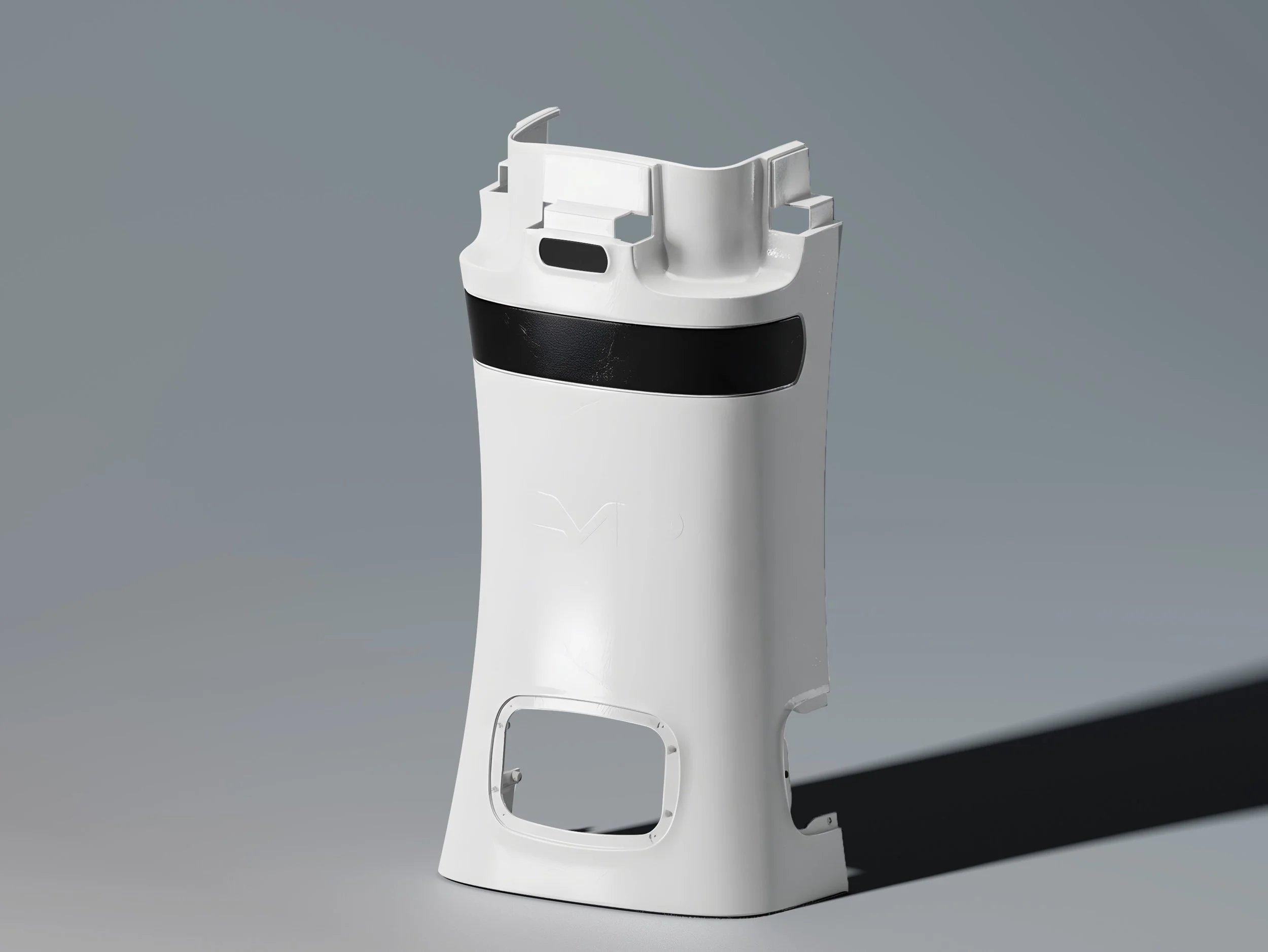
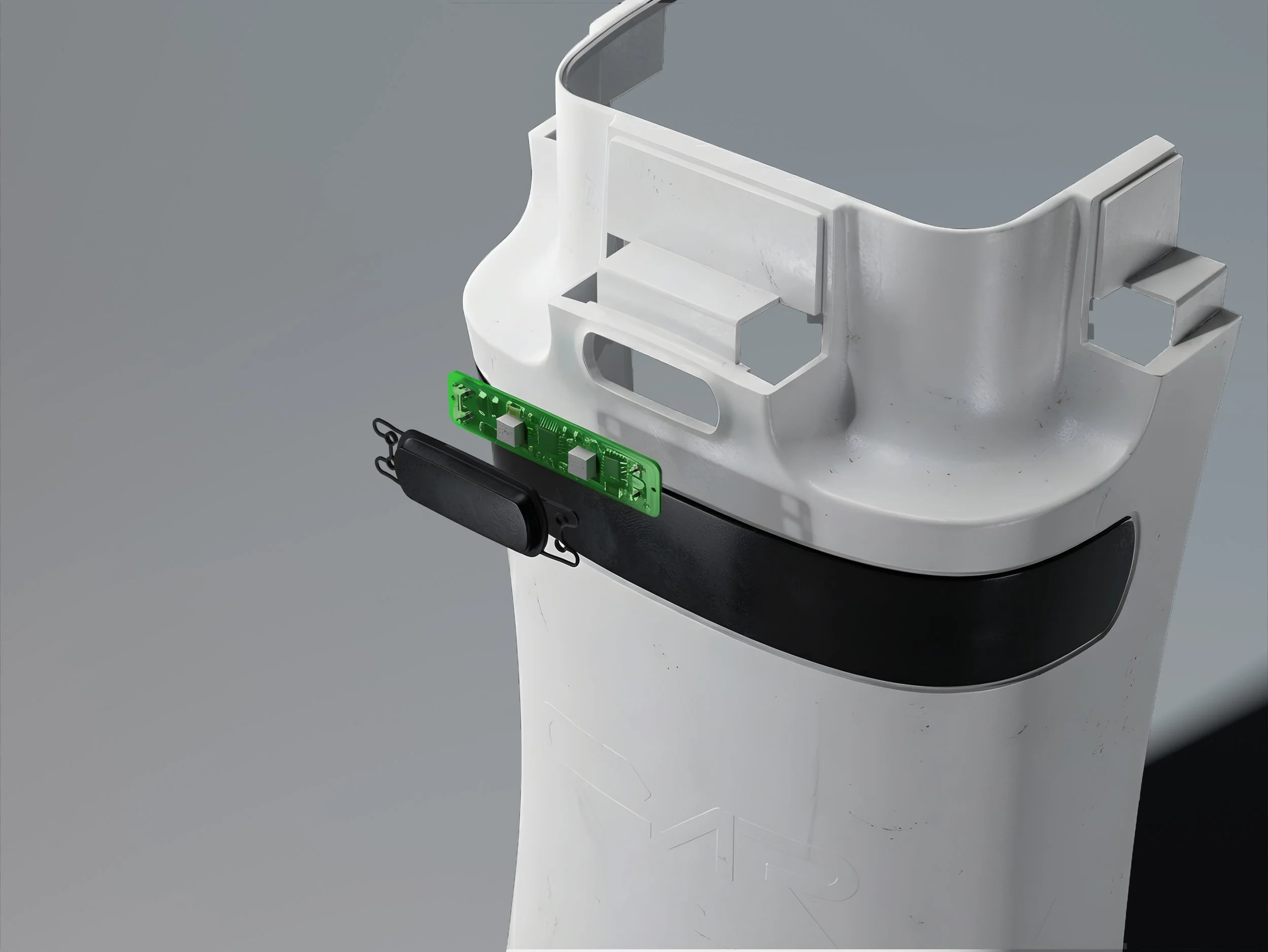



Alloy partnered with CMR Surgical to improve the manufacturability and user experience of the Versius robotic system. Working from a pre-defined design, the challenge was to enhance DFM efficiency while refining ergonomics and control layouts for surgeons operating the system over extended periods.
Outcome: A refined controller architecture informed by hands-on prototyping and ergonomic research, delivering improved usability, clearer control hierarchy, and enhanced suitability for long-duration robotic surgery.
DFM efficiency gain
35 percent improvement in Design for Manufacture efficiency through reduced part complexity and improved assembly logic.Ergonomic optimisation
20 percent improvement in user comfort and reachability across control surfaces, based on human factors testing.Faster prototyping
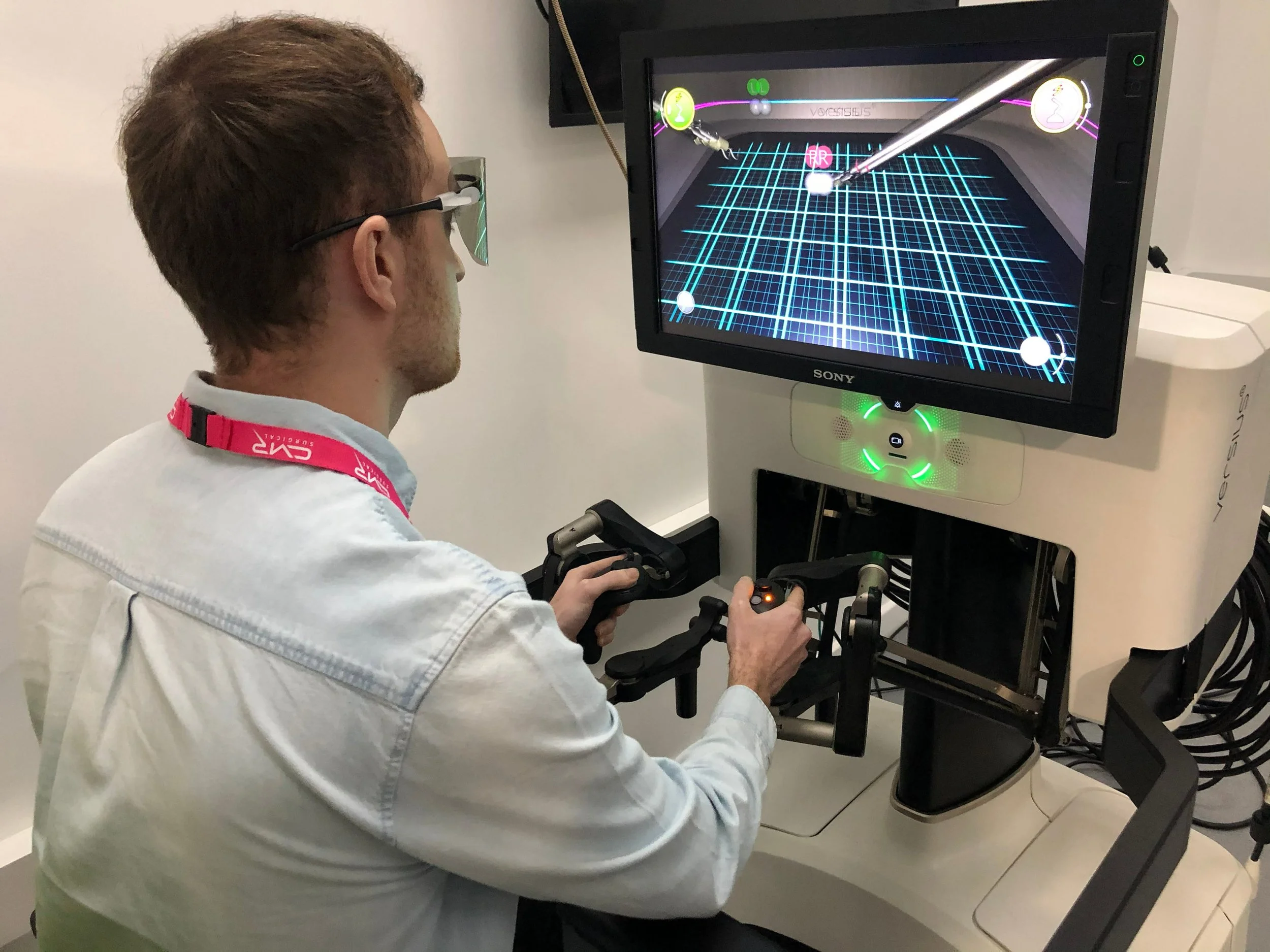
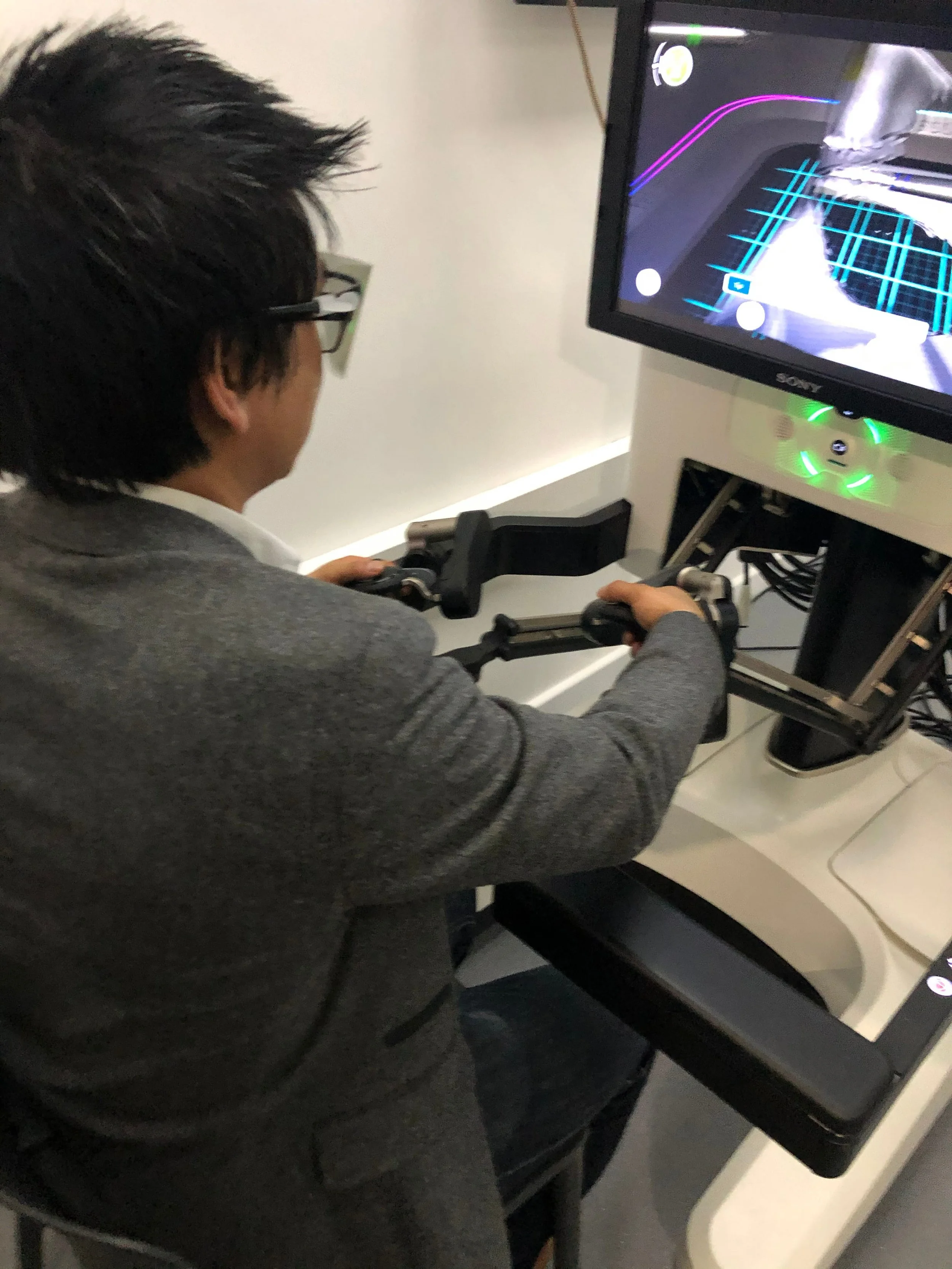
Rapid prototype loops allowed insights to be captured and applied 4x faster than traditional processes.The CMR Surgical Versius robot is a state-of-the-art surgical system designed to bring the precision and control of robotic-assisted procedures to a broader range of operations and clinical settings. When working with products of such medical and technical complexity, Design for Manufacture (DFM) becomes a mission-critical discipline. Alloy’s role was to elevate the manufacturability of pre-defined assemblies, ensuring they not only met the highest functional standards, but were also feasible to produce at volume without compromise.
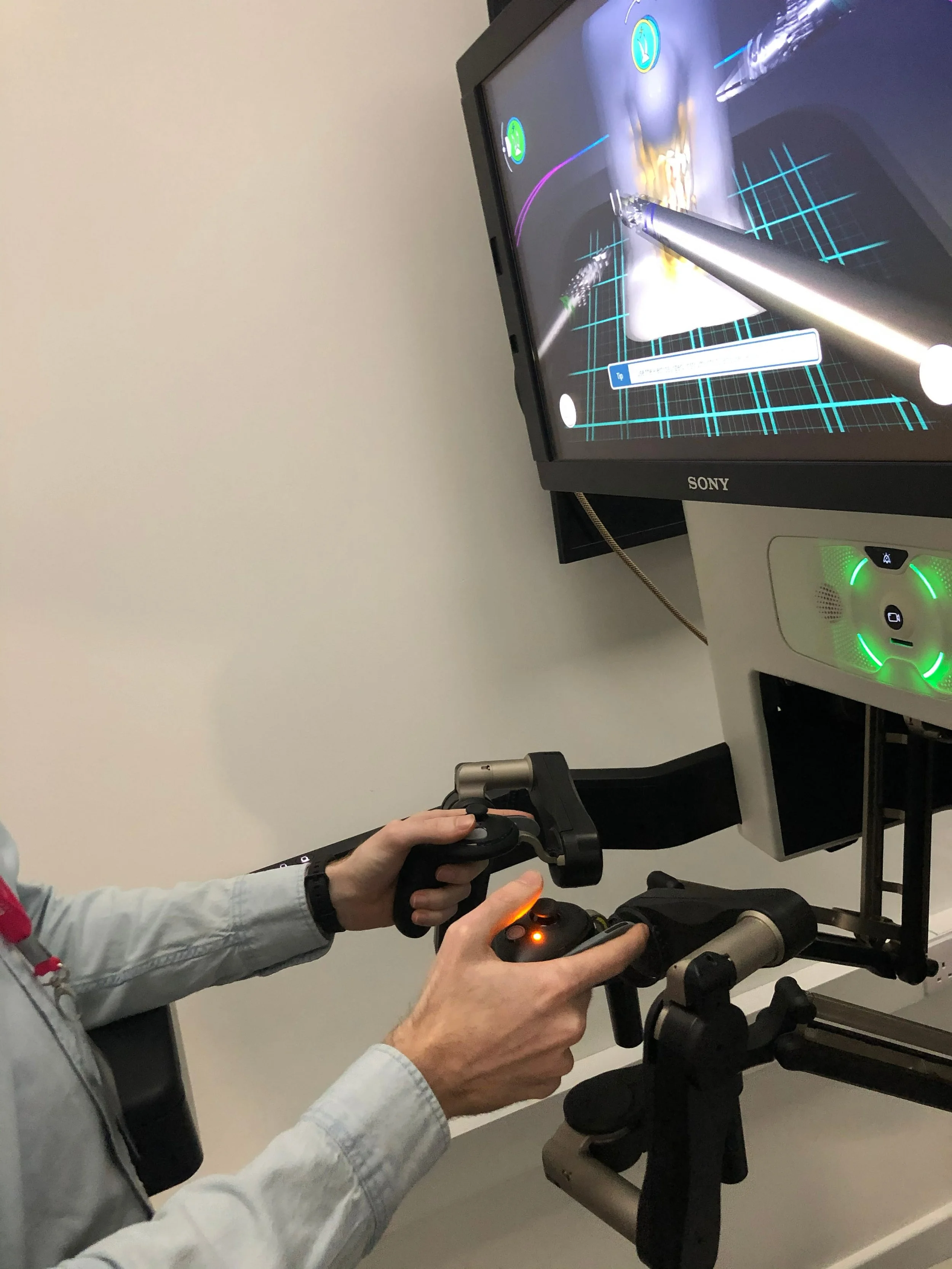
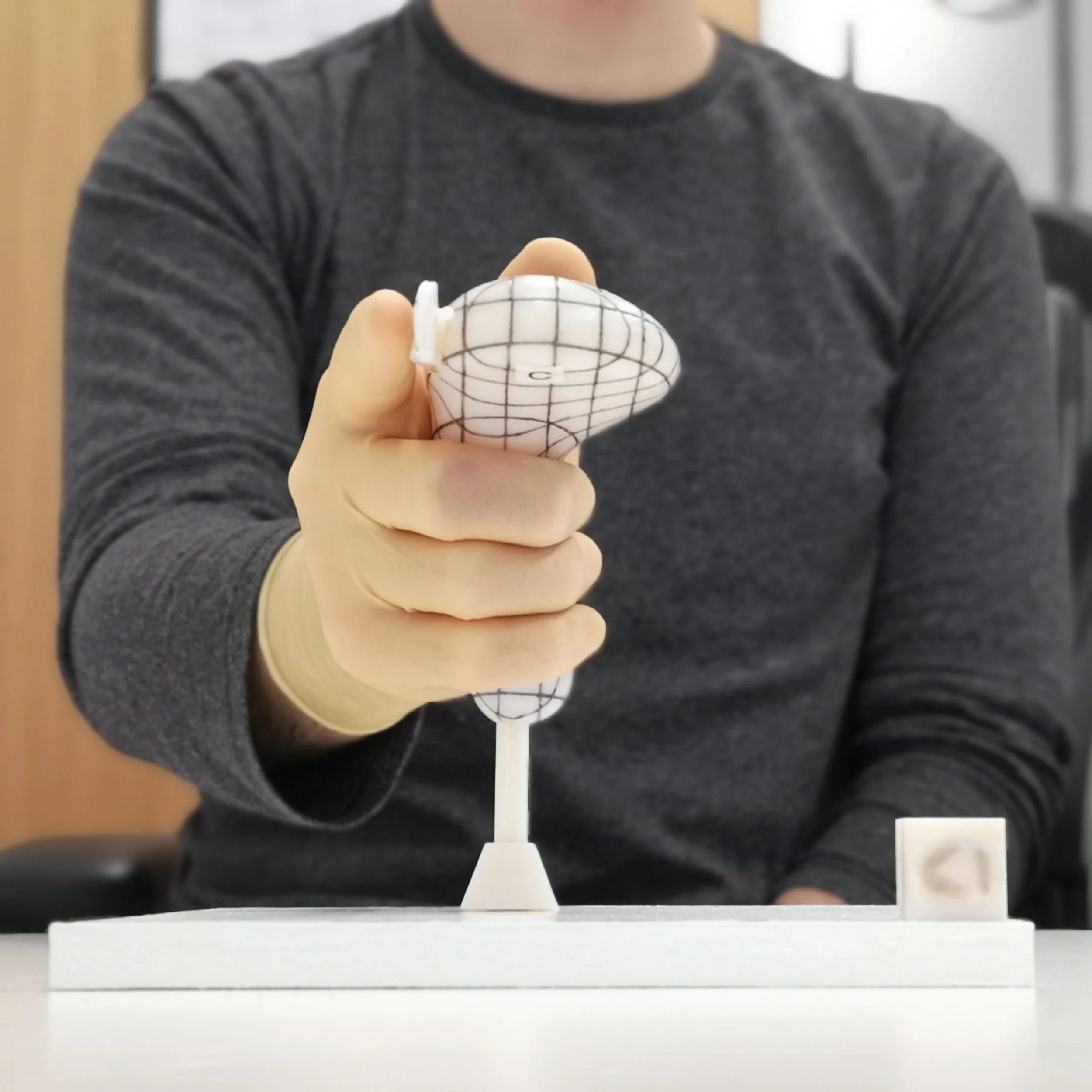
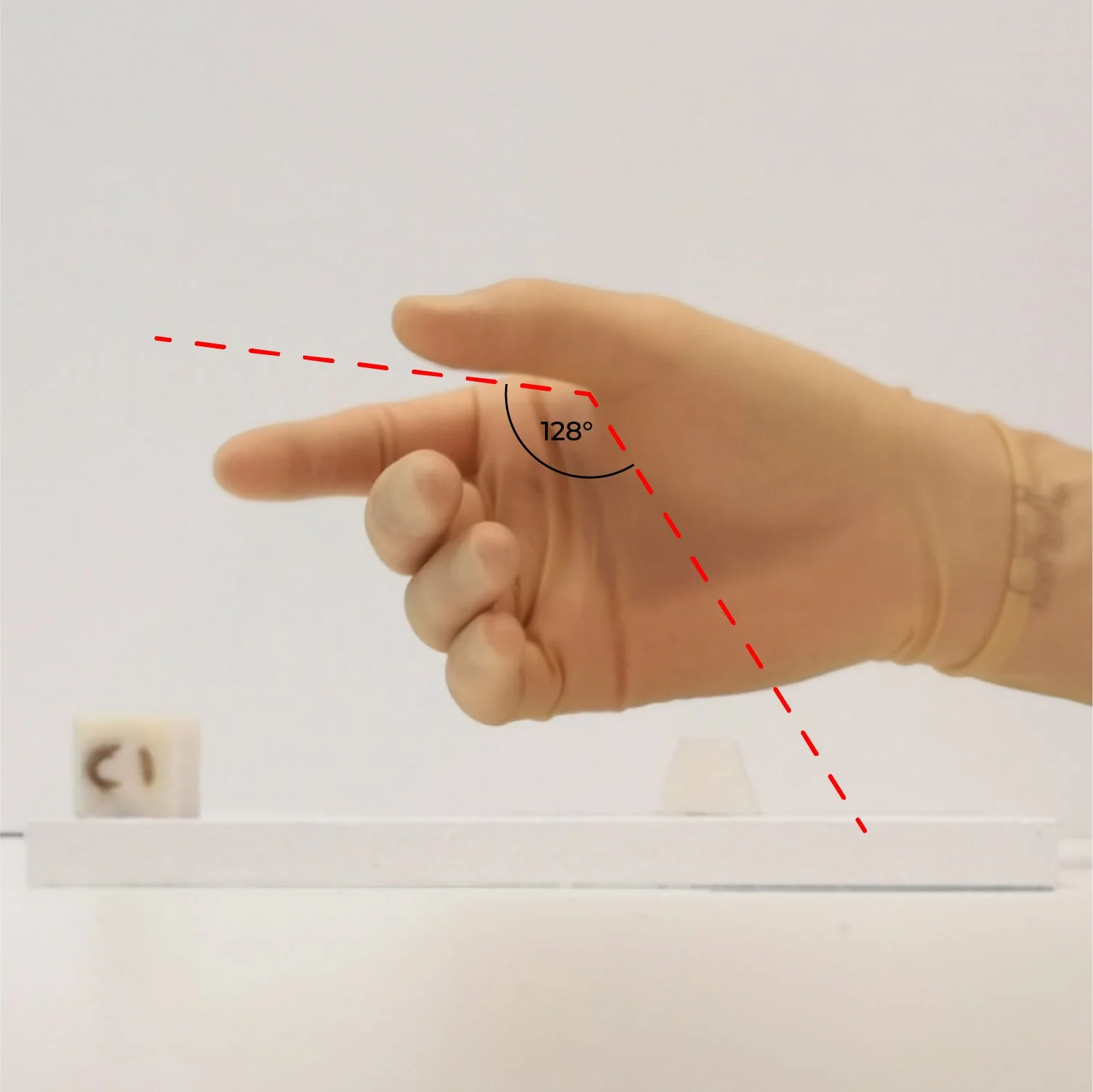
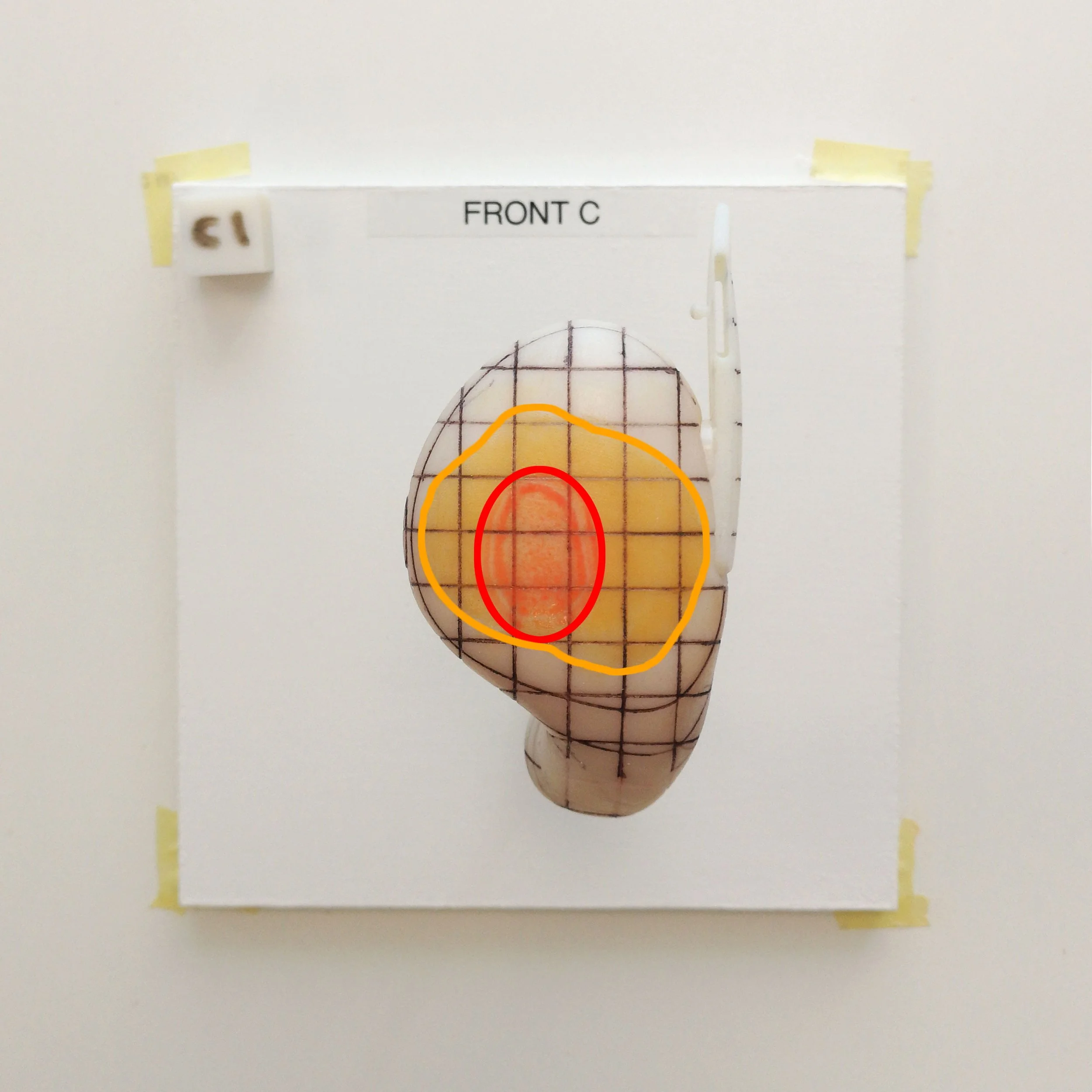
The handheld controller is a critical touchpoint within the Versius surgical robot ecosystem - serving as the primary interface through which surgeons operate with precision and confidence. To ensure the controller offered optimal comfort and intuitive usability during long procedures, Alloy led a comprehensive user research study focused on hand ergonomics, interaction patterns, and control hierarchies. Working with 50 participants, we explored a wide range of hand sizes and grip preferences, using physical prototypes and heatmaps to analyse real-world button placements. This approach allowed us to identify consistent behavioural patterns and establish design guidelines around button sizing, hierarchy, and spatial layout. The insights were delivered as actionable feedback to CMR, helping shape future controller designs and strengthen the overall usability of the Versius platform.