
Why Products Fail at Launch (and How to Avoid It)
Why Products Fail at Launch (and How to Avoid It)
Most products fail at launch not because of bad ideas, but because of poor problem definition, weak validation, late design decisions, and manufacturing issues. A structured, phased design process dramatically reduces these risks.

The Hard Truth About Product Failure
Product launches fail more often than they succeed.
Common outcomes include:
Poor early sales
Confused users
Negative reviews
Manufacturing issues
Delayed or cancelled rollouts
In most cases, failure is predictable — and preventable.
The Most Common Reasons Products Fail at Launch
1. Solving the Wrong Problem

Many products fail because they were built around assumptions, not evidence.
Symptoms include:
Low user engagement
Weak differentiation
“Nice idea, but I wouldn’t buy it” feedback
How to avoid it:
Invest in early discovery and user insight before committing to a solution.
2. Skipping Validation
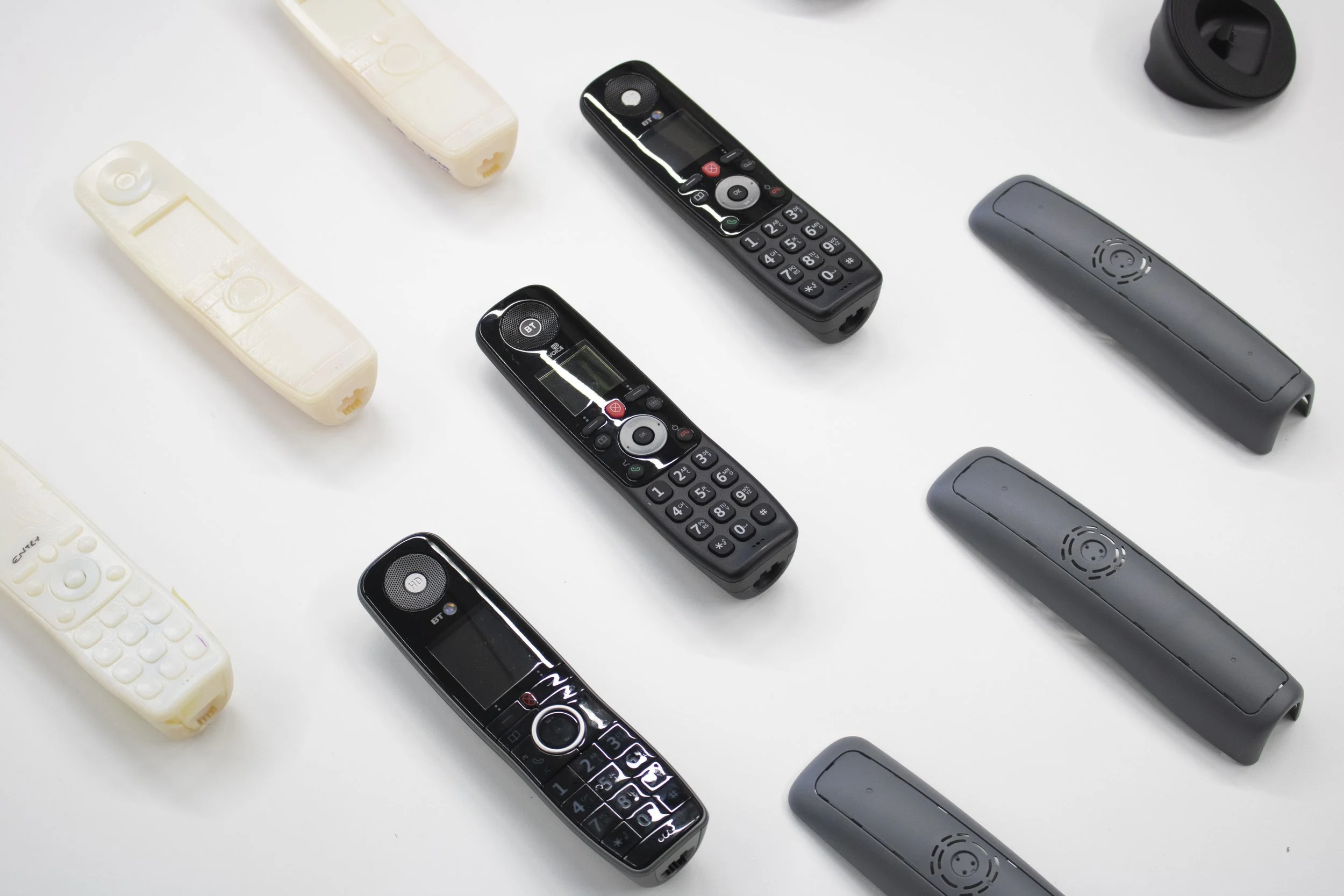
Products often reach launch without being tested properly with real users.
This leads to:
Confusing interactions
Poor usability
Missed edge cases
How to avoid it:
Prototype early and test often. Validation is cheaper than failure.
3. Designing Too Late in the Process
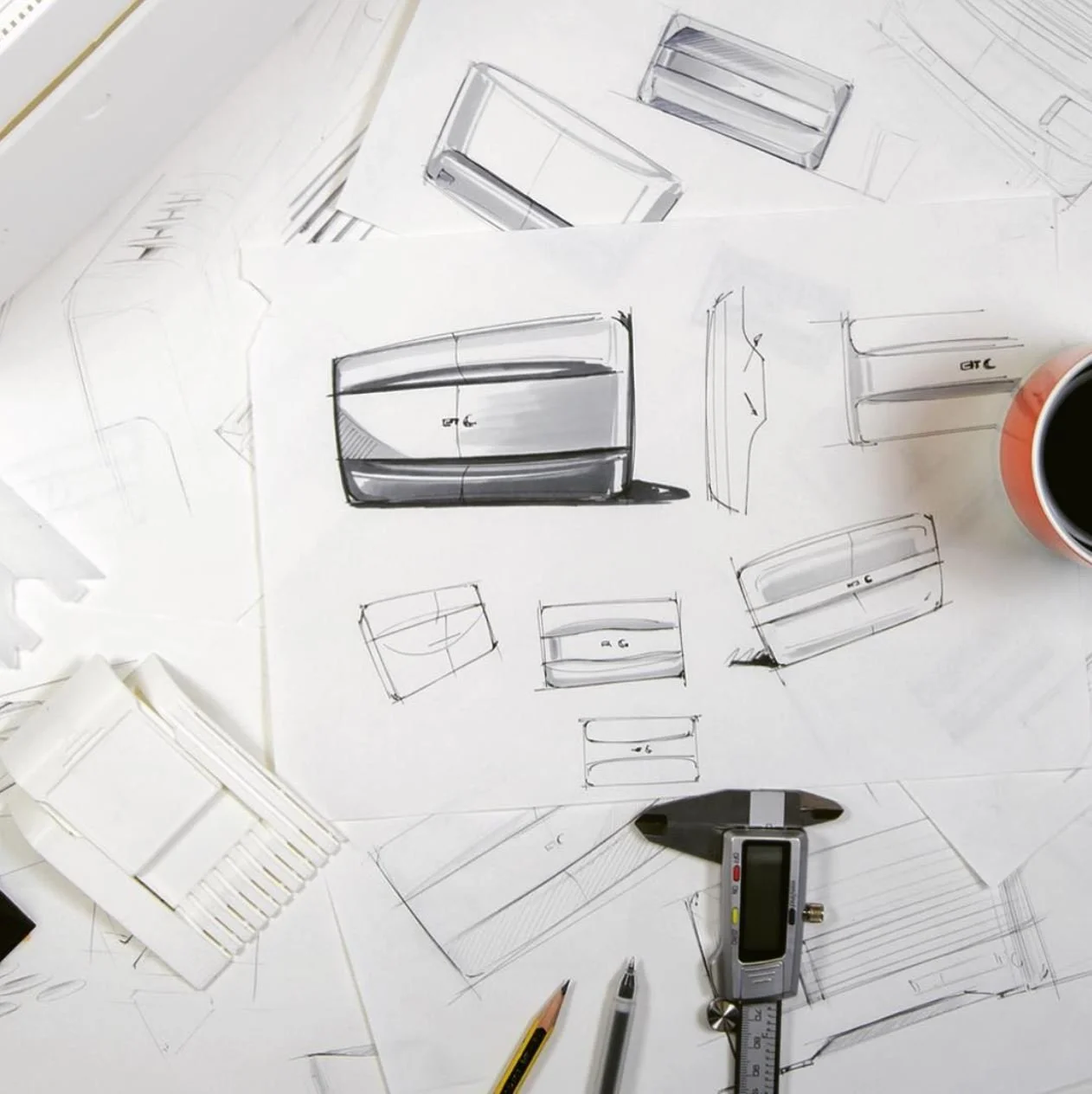
Design is sometimes treated as a cosmetic step added after engineering.
This causes:
Awkward compromises
Poor ergonomics
Inefficient layouts
How to avoid it:
Integrate industrial design and UX from the start — not at the end.
4. Ignoring Manufacturing Reality
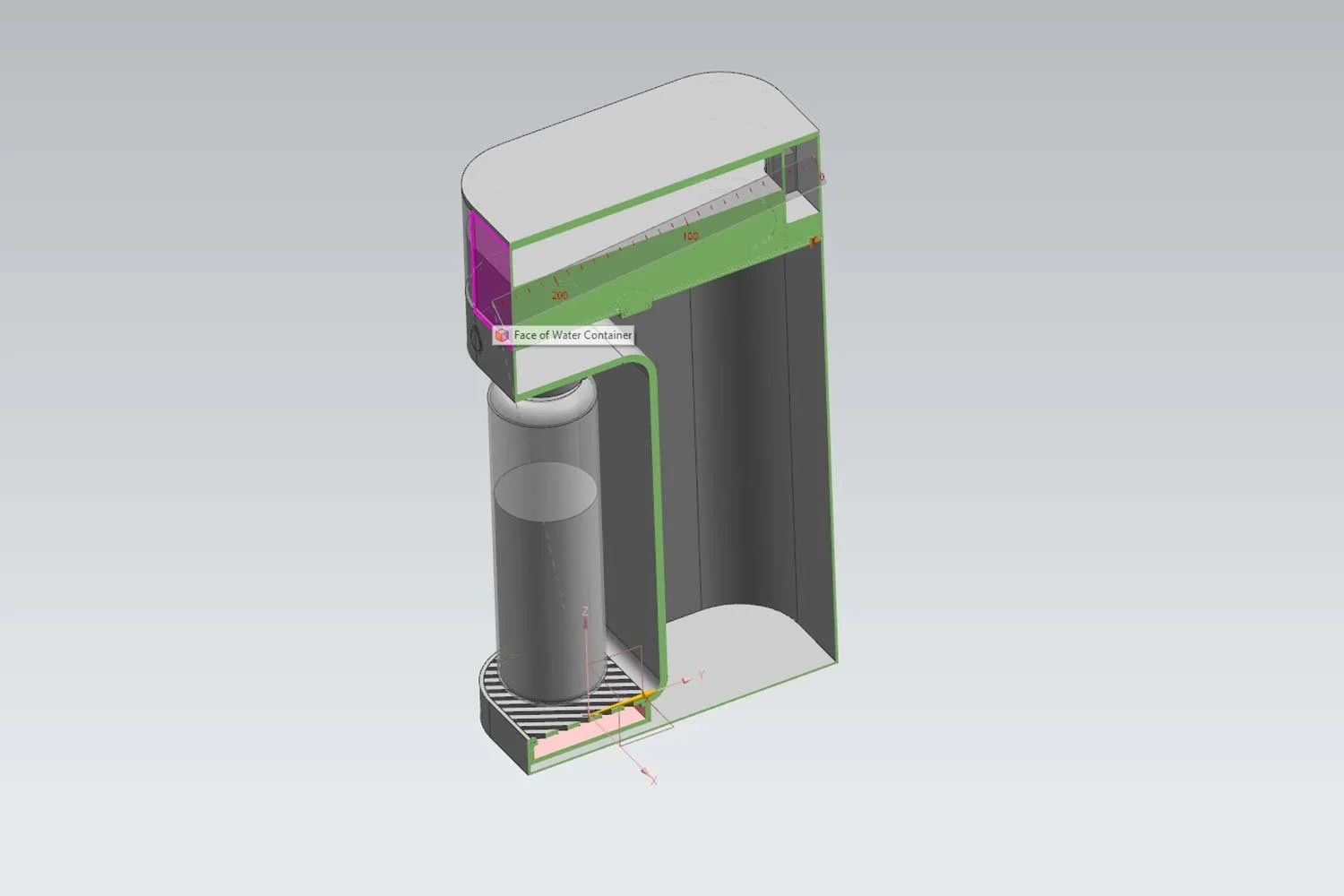
Many products fail when design meets production.
Common issues include:
Unachievable tolerances
Unexpected tooling costs
Quality inconsistencies
How to avoid it:
Apply Design for Manufacture (DFM) early and involve suppliers before tooling.
5. Overloading the First Version

Trying to do too much in version one often leads to complexity and delay.
This results in:
Feature creep
Increased risk
Missed launch windows
How to avoid it:
Focus on a strong, well-executed core product and evolve over time.
How a Structured Design Process Prevents Failure
A phased approach helps teams:
Validate assumptions early
Make informed decisions
Control cost and risk
Stop or pivot before major spend
This is why experienced product teams invest in discovery, concept development, and prototyping before committing to production.
Failure Is Rarely About Design Quality Alone
Most failed products:
Look acceptable
Function technically
But fail to connect with users or the market
Successful products align user needs, design quality, engineering, and manufacturing.
FAQs – Product Launch Failure
Why do so many products fail at launch?
Most failures are caused by poor problem definition, lack of validation, and manufacturing issues — not bad ideas.
Can good design prevent product failure?
Good design reduces risk, but only when combined with research, validation, and manufacturing insight.
Is prototyping really necessary before launch?
Yes. Prototyping reveals usability and technical issues early, when changes are cheaper.
Do products fail more because of design or engineering issues?
Most failures come from misalignment between design, engineering, and user needs rather than one discipline alone.
Can failed products be redesigned successfully?
Often yes. Many products succeed after redesign when issues are properly diagnosed and addressed.