
Design for Manufacture (DFM): A Practical Guide
Design for Manufacture (DFM): A Practical Guide
Design for Manufacture (DFM) is the process of designing products so they can be manufactured reliably, cost-effectively, and at scale. It ensures that design decisions consider real manufacturing constraints from the earliest stages of development.
At Alloy, DFM is integrated into the design process — not treated as a late-stage fix.
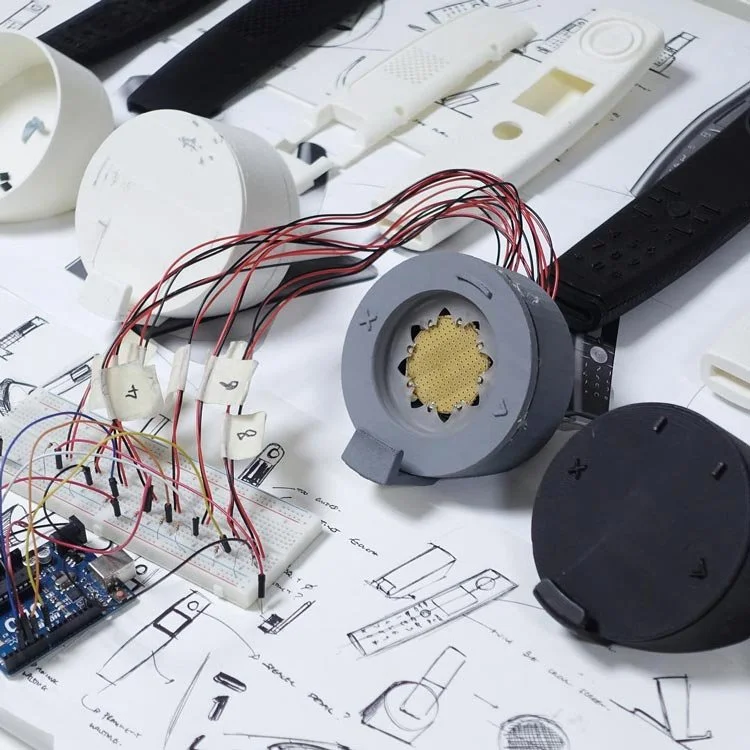
What Is Design for Manufacture (DFM)?
DFM is about designing products with manufacturing in mind from day one.

It considers:
Materials and processes
Assembly methods
Tolerances and part complexity
Tooling constraints
Cost and yield
DFM ensures that what’s designed can actually be built — repeatedly and profitably.
Why DFM Matters
Many products fail or stall because DFM is applied too late.
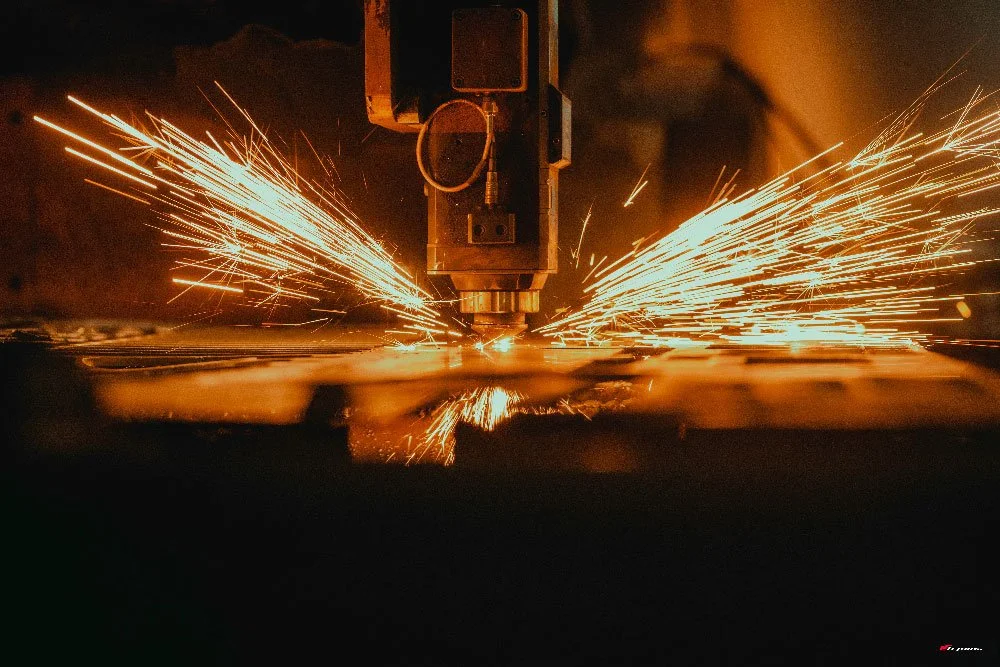
Without proper DFM:
Designs need rework during tooling
Costs increase unexpectedly
Quality becomes inconsistent
Launch timelines slip
Good DFM reduces risk before money is locked into production.
When DFM Should Happen
DFM should not be a final checklist.

The most effective DFM happens:
During concept development
Throughout detailed design
Before prototyping decisions are locked
Prior to tooling and supplier commitment
Early DFM leads to better design decisions — not compromises.
What DFM Typically Covers
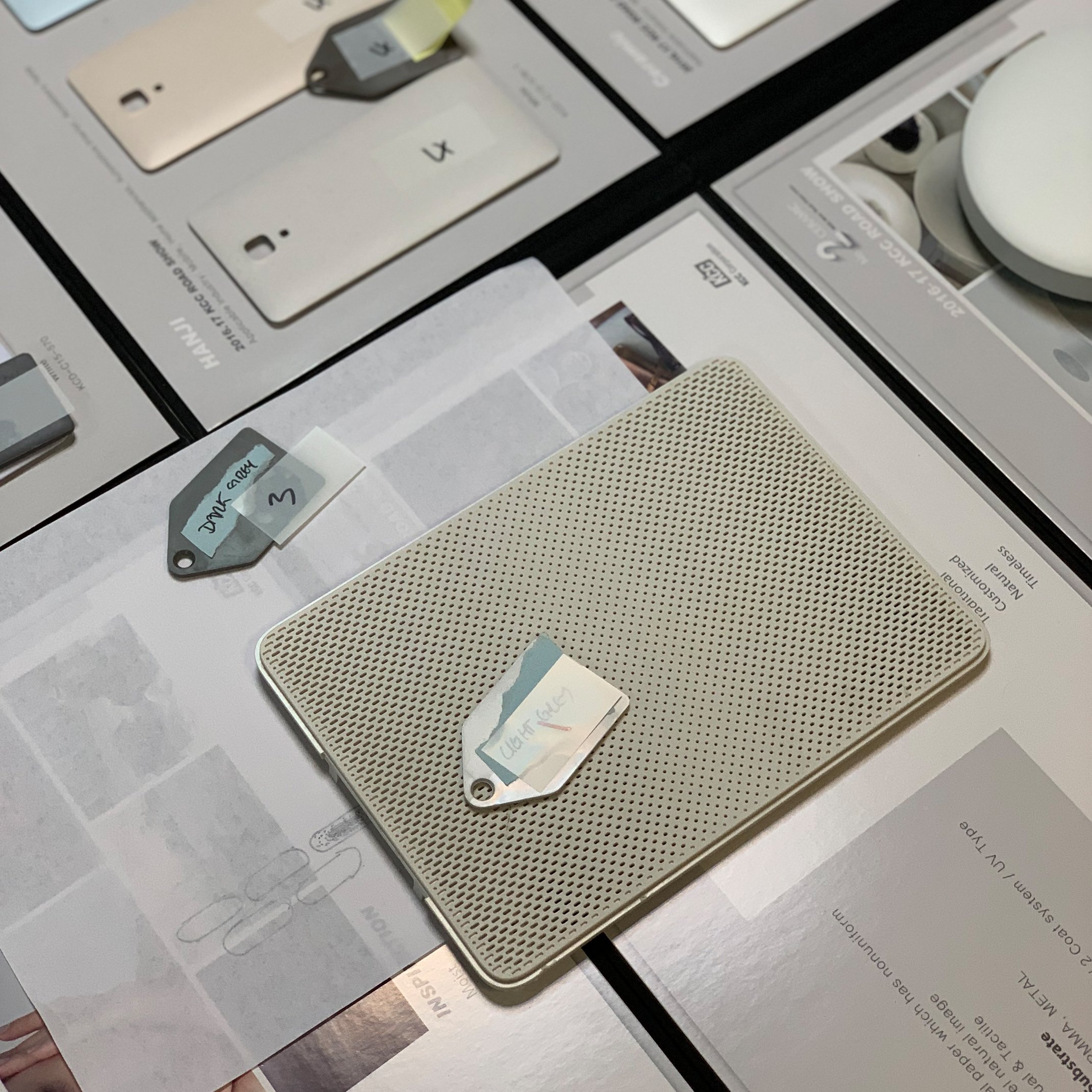
Materials & Processes
Choosing materials that suit:
Performance requirements
Available manufacturing processes
Target cost and volume
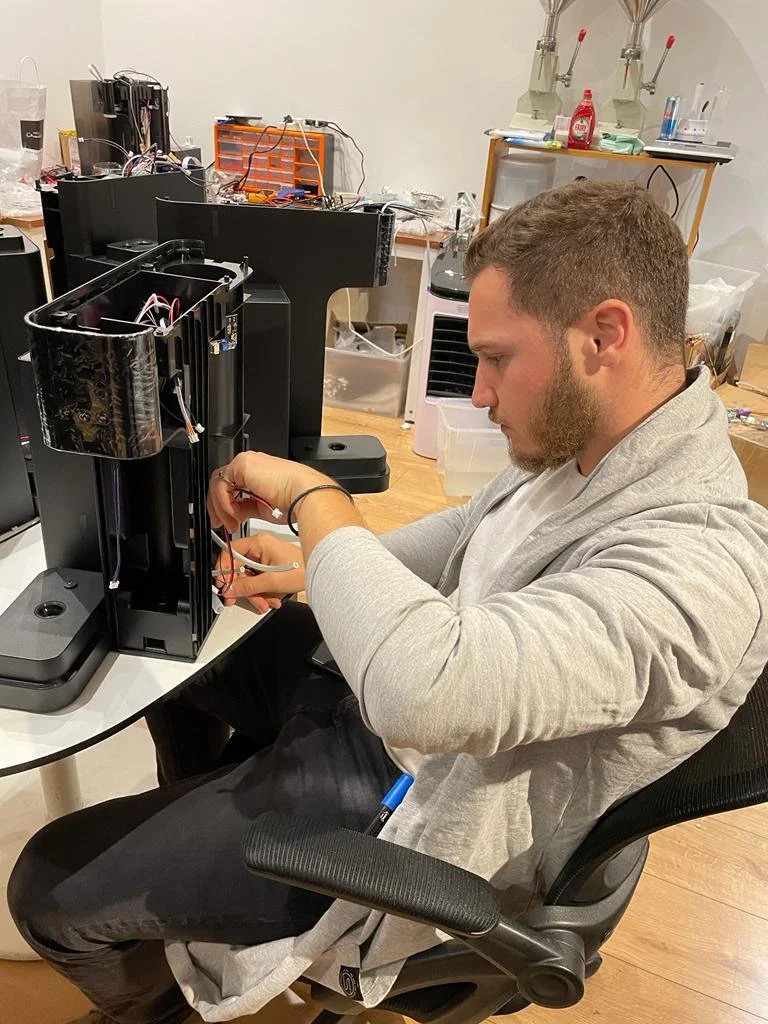
Tolerances & Fit
Over-tight tolerances increase cost and scrap.
DFM balances precision with manufacturability.
Part Count & Assembly
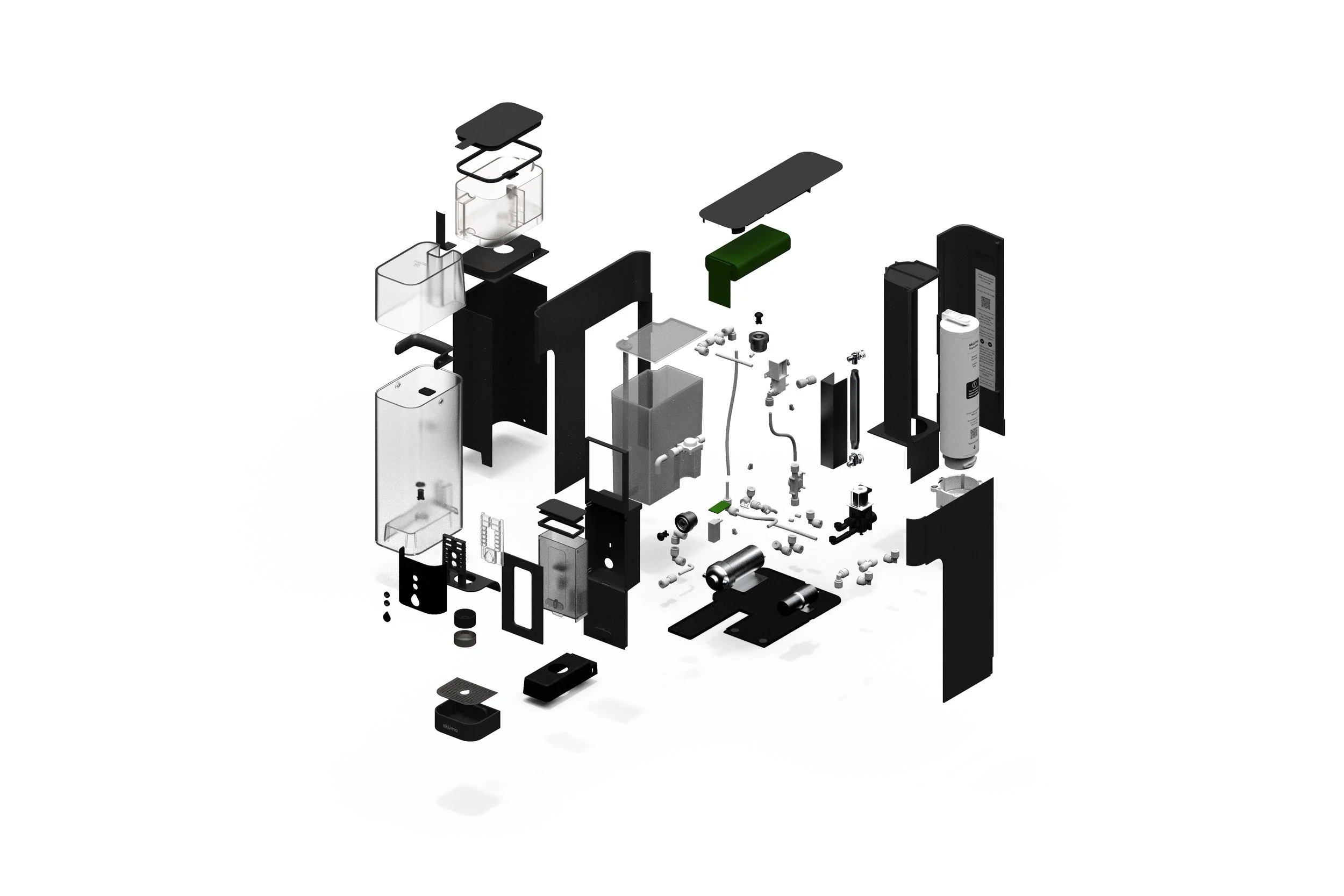
Reducing:
Number of components
Assembly steps
Risk of misassembly
This improves reliability and lowers cost.

Tooling & Production Volume
Design decisions differ for:
Low-volume production
High-volume mass manufacture
DFM ensures the product suits the intended scale.
DFM Is Not “Design Compromise”
A common misconception is that DFM reduces design quality.
In reality:
Good DFM improves product quality
Well-considered constraints lead to better outcomes
Manufacturable products launch faster and perform better
The best products are shaped by constraints, not limited by them.
DFM and Industrial Design Must Work Together

DFM works best when:
Industrial designers
Engineers
Manufacturers
are aligned early.
Separating these disciplines often leads to late-stage compromises that hurt usability or appearance.
FAQs – Design for Manufacture
What does DFM mean in product design?
DFM stands for Design for Manufacture. It means designing products so they can be produced efficiently, reliably, and at scale.
When should DFM be applied?
DFM should be applied early — during concept and detailed design — not just before production.
Is DFM only relevant for mass production?
No. DFM is important for low, medium, and high-volume manufacturing, although the considerations change with scale.
Does DFM limit creativity?
No. Good DFM improves outcomes by shaping design decisions around real-world constraints.
Can DFM reduce product cost?
Yes. DFM often reduces cost by simplifying parts, assembly, and tooling requirements.